
Understanding GLP-1 Protein Needs for Women: What You Should Know
When people hear I’m a dietitian, the first question I used to get asked was “what’s the BEST food to eat?” or “what do you think about keto or intermittent fasting?”. Now… the most common question I get is “What do you think about Ozempic?” GLP-1 medications are a hot topic right now, and for good reason. We used to say there’s no magic pill for weight loss, and while we’re still working on the pill form (although it seems to be almost ready!), GLP-1 injectables are coming in as a pretty magical alternative.
At its core, GLP-1 is not new. It’s a hormone your body naturally releases in the gut in response to eating. It helps regulate insulin, slows digestion, communicates fullness to your brain, and keeps blood sugar more stable. GLP-1 medications mimic this same process. What feels new is the awareness and the access. A lot of women are now realizing that this hormone, which they may never have heard of before, plays a much bigger role in their hunger cues, energy levels, and weight changes than they were ever taught (and TBH, than I was ever taught, too! And why I invested in an intensive training on GLP-1 nutrition last year to ensure I was serving my clients with the most up-to-date evidence-based research).
To make things more complicated, women have constantly changing hormonal needs. Monthly cycles, pregnancy, postpartum recovery, perimenopause, and menopause all shift how appetite and digestion feel. GLP-1 is influenced by every one of these transitions. Even if you never touch a GLP-1 medication, understanding this hormone and how to nourish it can make a real difference in how you feel day-to-day.
And one of the most important tools for supporting GLP-1 is protein.
Today we are breaking down what GLP-1 is, how it works, why women need to pay attention to it, and what role protein plays in creating more stable hunger, better energy, and sustainable weight outcomes.
What Is GLP-1 and Why Does It Matter?
GLP-1, or glucagon-like peptide 1, is a hormone your gut releases after meals to help manage blood sugar and appetite. It is part of a group of hormones known as incretins.
Research shows that GLP-1 increases insulin secretion in a glucose-dependent way, slows gastric emptying, reduces glucagon output, and sends signals of satiety to the brain (Drucker, 2018). These effects help regulate your fullness and your energy levels after eating.
This is the same physiology that GLP-1 medications like semaglutide and tirzepatide build on. They have been studied for years in diabetes care and are now used for weight management, because they help reduce appetite and improve blood sugar control.
But you do not have to be on one of these medications for the GLP-1 hormone to matter. It is already influencing your day.
For women, this is especially important because hormones like estrogen and progesterone interact with appetite signals. During the luteal phase of the menstrual cycle, for example, progesterone rises and hunger often increases. In perimenopause, shifts in estrogen can affect insulin sensitivity and change how strongly the body responds to GLP-1.
Understanding how to support GLP-1 through nutrition becomes a powerful tool for navigating these changes with more stability and less frustration.
| What GLP-1 Does | What That Means For You |
|---|---|
| Increases insulin secretion | Blood sugar stays steadier after you eat |
| Slows gastric emptying | Food stays in your stomach longer, so fullness lasts |
| Reduces glucagon output | Less sugar released from the liver between meals |
| Signals satiety to the brain | You register fullness sooner |
Do You Need to Think About GLP-1 If You Are Not on a Medication?
Yes. GLP-1 affects appetite, cravings, digestion, and blood sugar control for everyone, not just people with diabetes or those taking a GLP-1 medication.
Many women assume otherwise. But women in particular may notice more intense hunger in certain phases of the menstrual cycle, stronger cravings during perimenopause, more variability in appetite postpartum, and fatigue or low energy during times of hormonal turbulence.
GLP-1 influences all of this. Women often experience bigger swings because of hormonal flux, not because of anything they are doing wrong. Supporting GLP-1 helps bring things back into balance.
How Does Protein Support GLP-1?
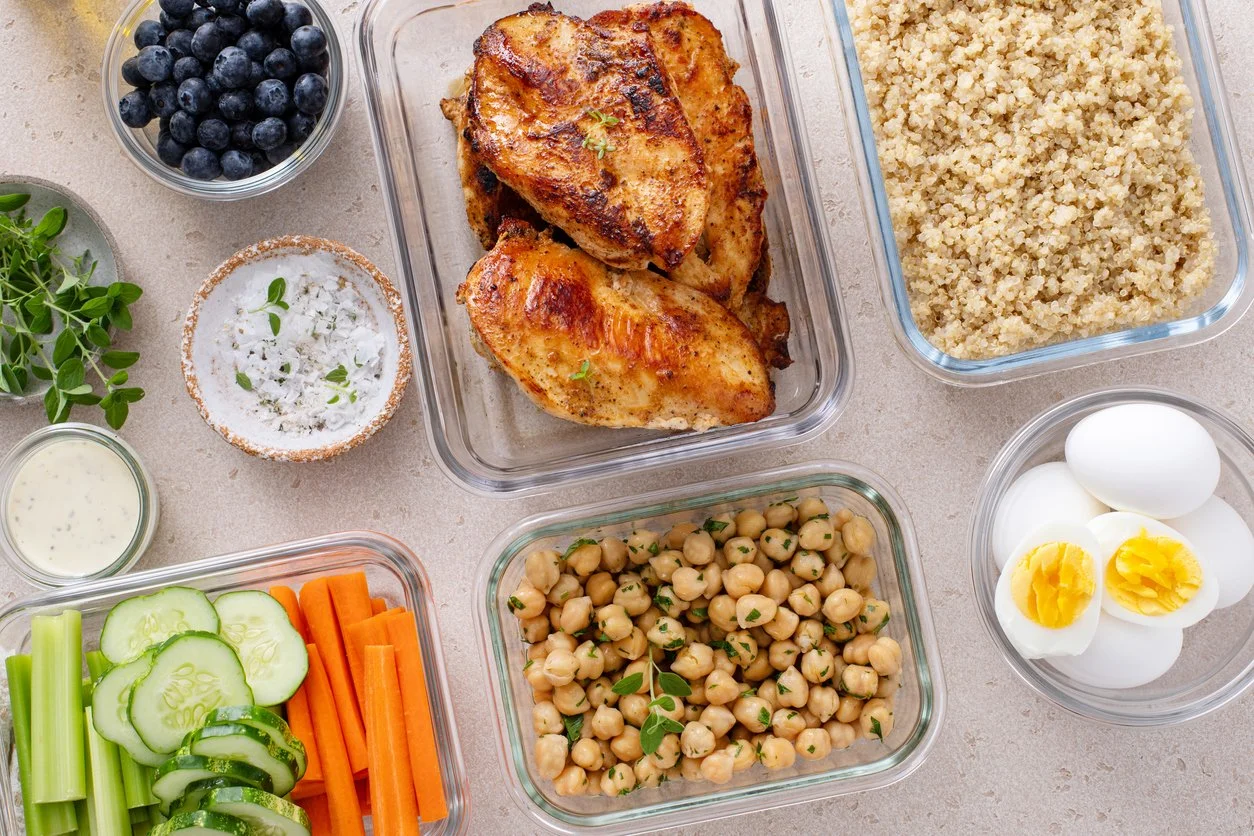
Protein is one of the strongest natural stimulators of GLP-1 release. Research shows that protein and amino acids trigger GLP-1 secretion more effectively than carbohydrates or fats (Bowen et al., 2006; Hjorne et al., 2022).
This means that eating enough protein helps your body do exactly what women often want GLP-1 medications to do.
When protein is consistently present in meals, women report more stable hunger, fewer cravings, improved afternoon energy, easier control around sugar, and less overeating later in the day.
Protein also supports lean body mass. This matters because women naturally have less muscle mass than men and tend to lose more of it during periods of weight loss (Kim et al., 2016).
Lean mass determines metabolic rate. If protein intake is too low, metabolism slows, fatigue increases, and weight loss can stall.
This is especially true for women using GLP-1 medications. Appetite decreases quickly, and if protein intake falls too low, muscle loss can accelerate. Higher protein intake helps protect your metabolism, your energy, and your strength.

What Are the Most Common Protein Mistakes Women Make?
The three biggest are skipping protein at breakfast, relying on incomplete plant proteins, and back-loading protein to the end of the day. Many women under-eat protein without realizing it, and these are the patterns I see in clients again and again.
Skipping breakfast or choosing a low-protein breakfast
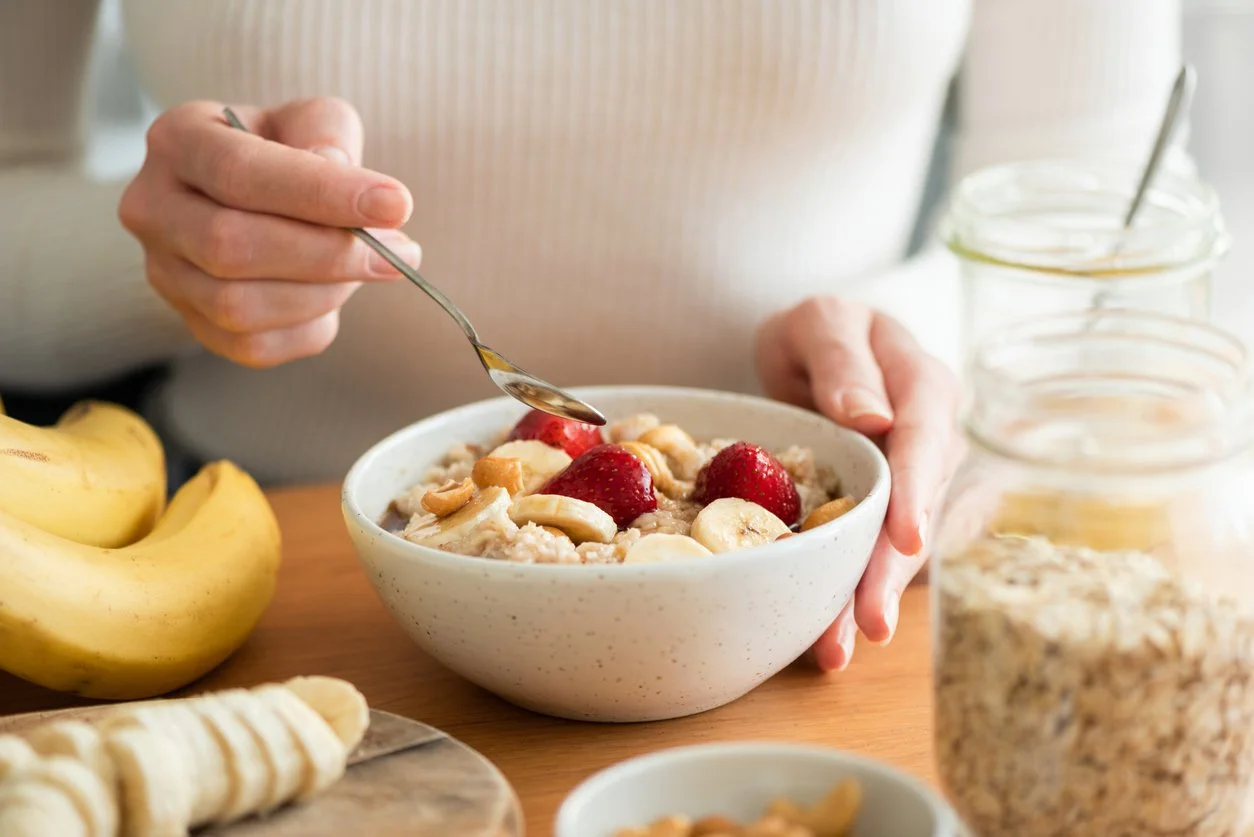
Coffee and a banana is not a metabolic breakfast, and women feel it by early afternoon. Starting the day without protein often leads to unstable hunger, cravings for sweets, and reactive snacking.
If you need ideas, my high-protein Breakfast Guide is a great place to start: Get the FREE Breakfast Guide here!
Prioritizing protein quality too late
Plant proteins are wonderful and important, but they are not always complete. Pairing them with animal proteins, or combining plant proteins throughout the day, helps ensure you get a full range of amino acids to support lean mass and GLP-1 signaling.
Front-loading carbs and back-loading protein
Your body can only utilize so much protein at once. Spreading it evenly across meals creates better satiety and better hormonal stability. I recommend 20 to 30 grams of protein with each meal as a baseline place to start.
One more thing: do not forget fiber
Fiber plays a major role in natural GLP-1 release. Research shows that vegetables, oats, barley, nuts, and avocados increase GLP-1 secretion and improve post-meal glucose responses (Hira et al., 2021; Mozaffarian et al., 2025). This deserves its own article, and we will go there soon.
How Can You Support GLP-1 Naturally Through Food?
Three things matter most: eating enough protein, choosing foods that stimulate GLP-1 release, and keeping meals consistent. Here is what each one looks like in practice.
How much protein do you need?
Research in bariatric and weight management nutrition consistently recommends 1.2 to 1.6 grams of protein per kilogram of ideal body weight to preserve muscle during weight loss (Sherf Dagan et al., 2017; Leidy et al., 2015). For many women, this lands between 80 and 120 grams per day.
The same range applies to women on GLP-1 medications.
Which foods stimulate GLP-1?
Studies highlight several everyday foods that encourage natural GLP-1 release (Indarto et al., 2022):
Eggs
Greek yogurt and dairy
Nuts and seeds
Legumes
Oats and barley
Avocados
Vegetables
Eating vegetables before the carbohydrates at a meal can further support the response. These are simple, everyday foods that help regulate appetite and cravings.
How often should you eat?
Women using GLP-1 medications often eat significantly less because their appetite drops. This can create micronutrient deficiencies when intake falls below 1,200 calories per day, especially for vitamins A, B12, D, folate, calcium, magnesium, and iron (Mozaffarian et al., 2025).
Eating three balanced meals with protein, fiber, and healthy fats helps prevent this. For some women, four to six smaller mini-meals can also work well.
QUICK SUMMARY: YOUR PROTEIN TARGET
1.2 to 1.6 grams per kilogram of ideal body weight, which lands between 80 and 120 grams per day for most women.
Spread it across the day at 20 to 30 grams per meal rather than saving most of it for dinner. The same range applies whether or not you are on a GLP-1 medication.
What Does Protein Support Actually Look Like In Real Life?
It looks different for every woman, but the pattern underneath is the same. Here are three clients at very different stages.
Lila, in her eighties
Lila started a GLP-1 because she was done living her life controlled by food noise. Her appetite quieted, she lost 12 pounds, and eventually she weaned off the medication entirely.
The secret behind maintaining that loss was simple. She ate three meals a day and anchored each one with protein. Even when she did not feel hungry, she prioritized nourishment. Her weight stayed stable because her metabolism stayed supported.
Arielle, in her sixties
Arielle came to me exhausted. Her appetite was low on the medication, and her energy followed. Weight loss stalled.
We added easy proteins she could manage on days she barely wanted to eat: a ready-to-drink protein shake in the morning, rotisserie chicken or tuna and fruit for lunch, protein-heavy takeout for dinner.
Within a few weeks, her energy lifted and her weight began moving again, because her body finally had what it needed.
Alex, mom of three in her forties
Alex used a GLP-1 to quiet the constant office snack temptations that had derailed her for years. Once the food noise settled, she could finally return to strength training and focus on protein-centered meals.
Her weight loss has been slow and steady. More importantly, she feels strong and in control, and she is building habits she can maintain for the long haul.
Their stories are completely different. Different ages, different goals, different relationships with hunger and food. Yet the pattern is the same.
Once their appetite settled, once the food noise quieted, once they had space to actually nourish their bodies with enough protein and steady meals, everything began to feel more manageable.
This is the part that often gets overlooked. GLP-1 may change your appetite, but it does not automatically give you structure, consistency, or clarity about how to eat in a way that supports your long-term goals.
That is the work we do together. The real transformation happens when the medication and the nutrition strategy align, when you know how to fuel your body in a way that protects energy, preserves muscle, stabilizes hunger, and keeps you feeling grounded instead of depleted.
If you want support creating this kind of routine for yourself, this is exactly what we build inside the PEACE Method. We work together to establish habits that last, whether you stay on a GLP-1 or eventually transition off. You do not have to figure this out alone when your body is already going through so much change.
What Are the Signs Your GLP-1 Function Is On Track?
The clearest signs are steadier hunger, softer cravings, more even energy, and workouts that feel more productive. Women often describe a sense of calm around meals that they have not felt in years.
They finish eating and actually feel satisfied instead of searching the pantry ten minutes later. Cravings begin to soften. Thoughts about food feel less urgent and more neutral. Instead of battling hunger swings, there is a steadiness that carries from one meal to the next.
Energy is another big marker. When GLP-1 signaling and protein intake are working together, the mid-afternoon crash that used to hit like clockwork often fades. Blood sugar feels more even, and there is a mental clarity that comes from fewer spikes and dips throughout the day.
Women also start to feel the difference in their strength. Workouts feel more productive, daily movement feels easier, and they notice subtle changes in body composition even if the scale is not moving dramatically.
These changes matter. They signal that your metabolism, your hormones, and your nutrition habits are finally on the same team.
They also tell you that you are building a foundation you can maintain for the long haul, whether you continue the medication or eventually step down from it. When you feel stronger, more stable, and more in control, that is when you know your GLP-1 rhythm is taking shape.
Frequently Asked Questions About GLP-1 and Protein
Yes. Protein powders stimulate GLP-1 because they provide amino acids. Whole foods may offer longer satiety due to fiber and digestion time, but powders are extremely helpful for women with low appetite.
Women experience more hormonal variability across the lifespan, and those shifts influence appetite, cravings, and blood sugar regulation. Supporting GLP-1 with balanced meals and adequate protein becomes even more important during perimenopause and menopause.
Yes. Higher protein intake preserves lean mass, and fiber-rich meals support gut health and natural GLP-1 production. Nutrition quality influences long-term results, including reducing the risk of weight regain after discontinuation (Quarenghi et al., 2025).
A combination works well. Eggs, Greek yogurt, poultry, fish, lean meats, tofu, beans, and lentils all support GLP-1 activity. What matters most is consistency and spreading protein throughout the day.
If you are looking for more clarity on how to fuel your body on a GLP-1, or you are exploring whether GLP-1s fit into your weight loss journey at all, you do not have to navigate these decisions alone. Your next steps depend on your goals, your health history, and your lifestyle, and the right support can make the process feel a lot less overwhelming.
Apply for nutrition coaching here and we can figure out the best path forward together.
Final Thoughts: Nourish Your Body With Purpose
GLP-1 is not just a medication pathway. It is a natural hormone that influences hunger, fullness, blood sugar, digestion, and energy. Protein is one of the most effective ways to support healthy GLP-1 function and help your body feel grounded and nourished.
But protein alone will not carry the entire load. Fiber, hydration, strength training, sleep, and overall nourishment matter just as much. If you want support building a routine that keeps you well nourished, protects your metabolism, and supports your goals on or off a GLP-1, this is the exact work we do inside the PEACE Method.
If you are unsure where to start or want guidance making sure you are fueling well while on a GLP-1, I would love to help.
References:
DISCLAIMER: The information contained in this post is not, and should not be construed as, medical advice. It is provided for informational purposes only. Each individual’s situation, nutritional needs, and medical situation are different, and the information contained in this post may not be appropriate for your personal situation. Always check with your own physician or medical professional before implementing any change to your lifestyle, food intake, exercise regimen, or medical treatment.
(C) 2026 Schuster Nutrition, PLLC

Article written by Melissa Schuster, MS, RDN, CDN, IFNCP
Melissa Schuster is a Registered Dietitian and mom of three. She helps busy moms transform their relationship with food through concierge virtual coaching so they can feel fantastic, lose weight for good, and focus on the things that matter most. With her signature PEACE Method which takes a whole-person approach, Melissa has helped hundreds of women find lasting peace in their bodies and around food. An expert in nutrition, Melissa holds a Masters in Clinical Nutrition and Dietetics from New York University and an Integrative and Functional Nutrition Certification.
The Newsletter
Want access to exclusive coaching offers, practical nutrition advice, and a healthy dose of mom-to-mom talk delivered straight to you? You’re in the right place!
