
After School Snack Ideas for Moms and Kids: A Dietitian's Easy Guide
Quick Summary: Kids come home starving because school lunch is early and rushed. The fix is a simple snack with protein + fiber + flavor or fat. Rather than banning chips or crackers, add to them (chips and guac, crackers and cheese). Moms need a snack too, often a bigger one with more protein, veggies, and fruit, eaten on purpose instead of grazed. Want 30+ easy ideas? Grab my free Ultimate Snack Guide.
The side door flies open at 3:37 pm, backpacks hit the floor, one sneaker lands in the hallway and the other somehow ends up in the kitchen. Before you can even say hello, someone is already rummaging through the pantry, yelling, "Mom, what is there to EAT?"
With three kids of my own, this is one of the loudest 20 minutes in my house. My daughter is complaining there’s nothing to eat, and my son is whining at me to open his meat stick.
The after school snack window is one of the most chaotic moments of a mom's day. It is also one of the most important, nutritionally. What your kids eat between 3 and 5 pm shapes their focus during homework, their mood at practice, and whether dinner becomes a negotiation. And what YOU eat (or don't eat) in that same window decides whether you hit 5:30 pm starving, picking at mac and cheese straight from the pot.
So the challenge is really two challenges: finding snacks your kids will actually eat, and finding snacks that give you, the mom running the whole show, real staying power.
As a registered dietitian who works with busy moms (and a mom living this snack craze every single afternoon), this is one of the questions I hear most from clients. In this post, I'm sharing the after school snack ideas that work in real life: for kids, for moms, and for the whole family at once. No muffin tins or fancy snack boxes required.
Why Are Kids So Hungry When They Get Home From School?
Kids come home ravenous because it has been a long time since they've eaten a real meal. Many schools serve lunch as early as 10:30 or 11 am, so by the time your child walks through the door, they may have gone 4 to 5 hours on whatever they managed to eat in a loud cafeteria.
And "whatever they managed to eat" is often not much. Lunch is rushed, they're catching up with friends, and recess is calling. One study found that students with less than 20 minutes of seated lunch time ate 13% less of their entrée, 12% less of their vegetables, and 10% less of their milk than students who had more time to eat (Cohen et al., 2016).
Add a full day of learning, sitting still, and sports, and that late afternoon energy dip hits hard. When it has been hours since a real meal, the body sends out loud signals: irritability, trouble focusing, and a strong pull toward the fastest carbs in sight. That is the meltdown at the kitchen island. (Adults feel it, too. It's the same reason you want a cookie at 3 pm.)
The right after school snack smooths all of that out. In one study, teens who ate a high-protein afternoon snack felt less hungry, waited longer before asking for food again, and ate fewer high-fat, high-sugar snacks later in the evening compared with teens who skipped the snack (Leidy et al., 2015). A balanced snack at 3:30 means fewer pre-dinner meltdowns and less overeating (or refusing to eat) at dinner.
Now let's talk about you. Most moms I work with don't sit down for an afternoon snack. They graze while making one: a handful of Goldfish, the crusts off a sandwich, three bites of a granola bar. Then they wonder why they're starving and snappy by 5:30.
One of my clients, I'll call her Jess, described her old routine perfectly. She almost never ate breakfast, avoided snacks completely ("I was very anti-snack"), and then found herself eating off her kids' plates at dinner because she was so hungry. Once we built in three balanced meals and a high-protein afternoon snack, the plate-picking stopped. She didn't white-knuckle it. She was finally fed.
That piece about breakfast matters more than most moms think. If you skip breakfast, the afternoon window gets so much harder. Research on breakfast skippers found that eating a higher-protein breakfast reduced evening snacking on high-fat, high-sugar foods (Leidy et al., 2013). If mornings are your weak spot, start with my back-to-school breakfast ideas (it comes with a free breakfast guide, too).
“I deserve to eat, too. Feeding myself is part of feeding my family.”
What Makes a Good After School Snack?
A good after school snack pairs protein and fiber, rather than a carb all on its own. That combination digests more slowly, keeps blood sugar steadier, and holds everyone over until dinner.
My simple formula: Protein + Fiber + something for flavor or fat. That's it.
And please hear me: it does not need to be elaborate or Instagram-worthy. You can officially retire the muffin tin snack boxes with 12 tiny compartments. A cheese stick and an apple is a fantastic snack. So is a jerky stick and a pouch of applesauce eaten in the car.
Kids and moms have slightly different needs. Growing kids who just spent six hours at school (and maybe have practice later) often do great with a heartier snack, sometimes closer to a mini meal. But moms often need MORE than we give ourselves credit for, especially more protein. Adults need more protein than little kids do, so your version of the snack may need a bigger portion, or a shift in balance: more protein, veggies, and fruit, and a little less of the crackers or pretzels. The good news is that many snacks work for both. Same base, tweaked for you.
So what should you limit? Not "bad" foods, because there aren't any. Crackers, chips, pretzels, and gummies on their own digest quickly, spike blood sugar, and leave everyone hungry again 30 minutes later. Rather than taking them away, think about what you can ADD:
| Start With | Add This | Why It Helps |
|---|---|---|
| Crackers | Cheese or hummus | Protein slows digestion |
| Tortilla chips | Guacamole or bean dip | Fat and fiber for staying power |
| Pretzels | Peanut butter or hummus | Protein and fat make it filling |
| Apple or banana | Nut butter or a cheese stick | Fruit brings fiber, the pairing adds protein |
| Baby carrots | Guacamole or ranch made with Greek yogurt | Fiber plus fat or protein |
| Toast | Avocado and a hard-boiled egg | A mini meal for the hungriest kids |
What Are Easy After School Snack Ideas Kids Will Actually Eat?
The easiest after school snacks for kids are simple combos of foods they already like, with a protein and a fiber on the plate. Here are my go-to kid-approved options, including a few that need zero prep:
| Snack | What Makes It Work | Prep |
|---|---|---|
| String cheese + grapes | Protein from cheese, fiber from fruit | No prep |
| Jerky stick + applesauce pouch | Protein plus fiber, totally portable | No prep |
| Apple slices + peanut butter or sunbutter | Fiber, protein, and fat | 2 minutes |
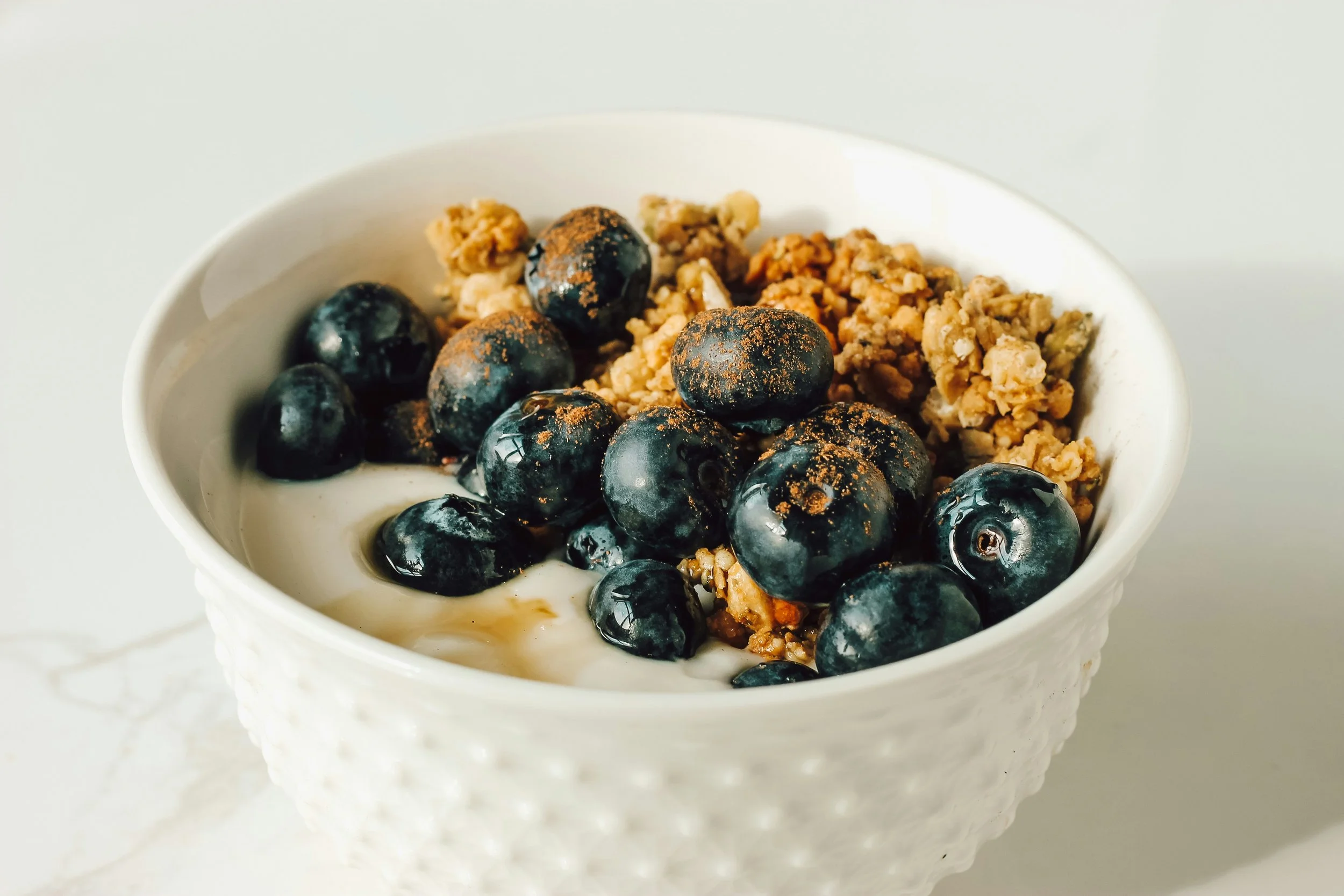
| Greek yogurt + berries + a sprinkle of granola | Protein from yogurt, fiber from berries, crunch from granola | 2 minutes |
| Turkey and cheese roll-ups + cucumber slices | Protein plus fiber, fun to eat | 3 minutes |
| Hummus + whole grain crackers + baby carrots | Plant protein and plenty of fiber | 1 minute |
| Hard-boiled egg + clementine | Protein plus fiber (batch-boil eggs on Sunday) | No prep if prepped ahead |
| Homemade PB&J “Uncrustable” on whole grain bread | Protein, fat, and fiber in a kid-favorite shape | 5 minutes, freezer-friendly |
That last one is a big win for me. An Uncrustables cutter and a loaf of whole grain bread lets you make a batch, freeze them, and pull one out in the morning so it's thawed by pickup.
In my house, the jerky sticks and uncrustables disappear first. Costco Chomps (both big and mini), peanut butter, and bread for the win!
One more idea, especially for your hungriest kids: make snack time more like a mini dinner. A few Amylu chicken meatballs, a small bowl of leftover pasta, or a cheese quesadilla with black beans can be a perfect after school snack on a sports day. More on why this works in the FAQ below.
What Are Some After School Snack Ideas for Mom?
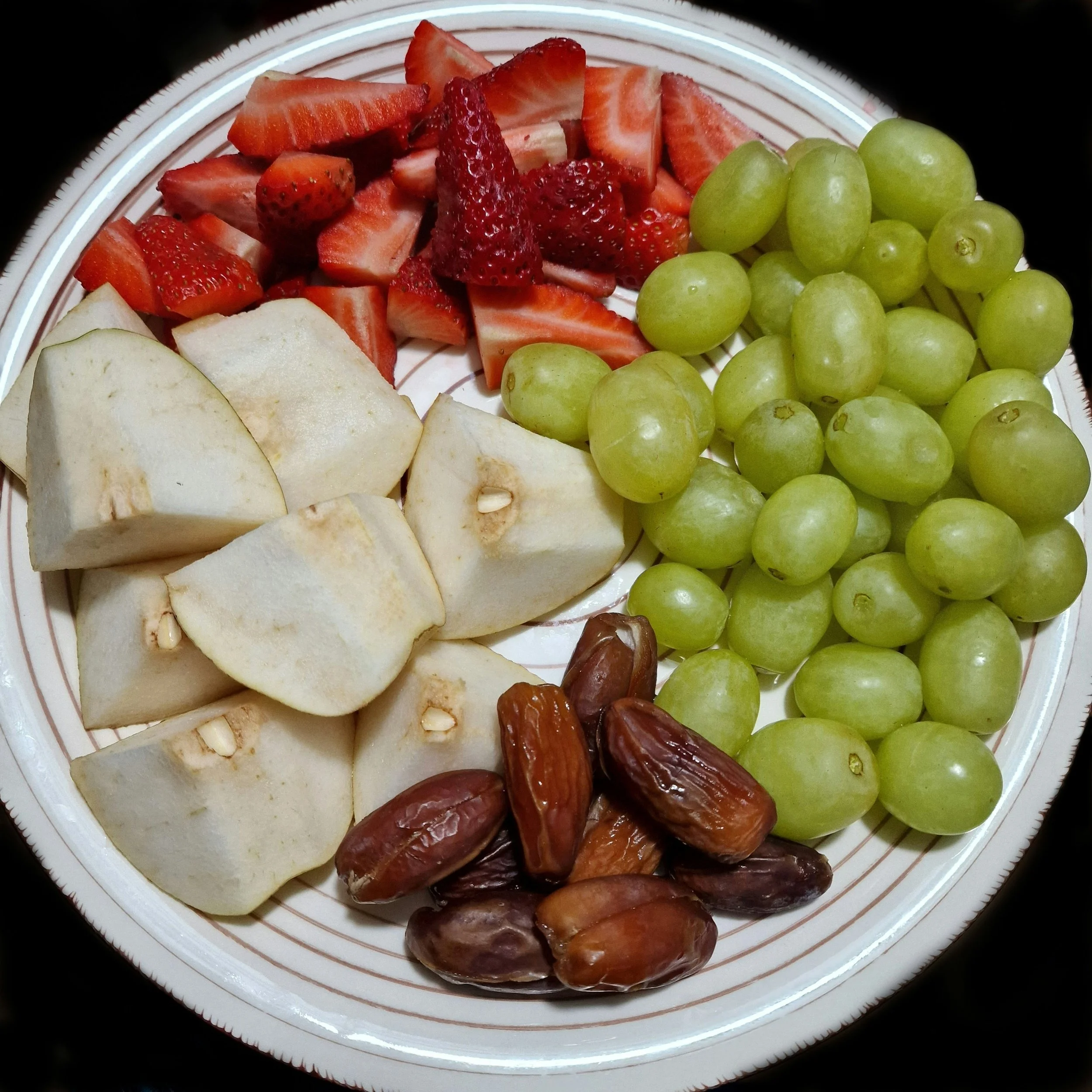
The best after school snack for mom has enough protein and fiber to give you steady energy, keeps you satisfied until dinner, and (this is the big one) is eaten on purpose rather than grazed off a cutting board.
Here are five adult-palate favorites my clients love:
Cottage cheese with cherry tomatoes, cucumber, and everything bagel seasoning. Savory, crunchy, and packed with protein.
Half an avocado toast on whole grain bread + a hard-boiled egg or two egg bites. A mini meal that feels like a treat.
Rotisserie chicken + hummus rolled in a whole wheat wrap with a handful of spinach. Rotisserie chicken is my weeknight hero for a reason.
Greek yogurt bowl with berries, a spoonful of chia seeds, and a few dark chocolate chips. Sweet, satisfying, and balanced.
Tuna packet on whole grain crackers with sliced bell peppers. Shelf-stable and ready in 60 seconds.
My personal favorite is cottage cheese with a spoonful of dark chocolate tahini (I love the Soom brand) and berries. It has protein, healthy fat, and fiber and gives me the chocolate hit I’m craving at 3pm without a ton of added sugar.
The mindless grab happens because you're busy feeding everyone else. So flip it: make your snack at the same time you make theirs, put it on a plate, and sit down with your kids for five minutes. Their snack time becomes your snack time. It's also a lovely moment to hear about their day before homework and activities take over.
If the grazing feels more emotional than physical (like you're snacking to get through the chaos), my post on how to stop stress eating as a mom walks through what's really going on. And for even more snack ideas, check out my healthy snacks for moms post.
“I can eat with intention, even in the middle of the chaos.”
Snacks the Whole Family Can Share (The Real Sweet Spot)
The real magic happens with snacks that need zero customization. One plate, everyone eats, nobody asks for a different version. These combos work across ages, from your picky 6-year-old to your always-hungry tween to you.
| Snack Idea | Who It Works For | Prep Time |
|---|---|---|
| Snack board: cheese cubes, turkey, whole grain crackers, grapes, cucumbers | Everyone (halve grapes for little ones) | 5 minutes |
| Apple slices + peanut butter + a sprinkle of granola | Everyone | 2 minutes |
| Hummus + veggie sticks + pita triangles | Everyone, including picky eaters who love to dip | 2 minutes |
| Greek yogurt parfait bar | Kids build their own; mom adds chia and nuts | 5 minutes |
| Tortilla chips + guacamole + cheese sticks | Everyone, especially teens | 2 minutes |
| Egg bites (homemade or store-bought) + fruit | Everyone | 1 minute to reheat |
| Smoothies with Greek yogurt, frozen fruit, and spinach | Everyone; great for kids who “aren't hungry” | 5 minutes |
| Mini quesadillas with cheese and black beans + salsa | Hungry kids after practice, and mom | 7 minutes |
The food stays the same. What changes is how you build your plate. Kids might load up on the crackers and pita; you might double the hummus, turkey, and veggies and go lighter on the crackers. That's not dieting. It's giving your body the protein and fiber it needs to carry you through the evening. This is a huge relief for your mental load. No separate snacks for each child or yourself, no short-order cooking at 3:30, and one simple grocery list that covers everyone (you included).
How to Set Up the After School Snack Routine So It Actually Happens
The after school snack routine that works is the one with the least friction. Decide once, prep once, and keep it where kids can grab it without asking you. Here's how:
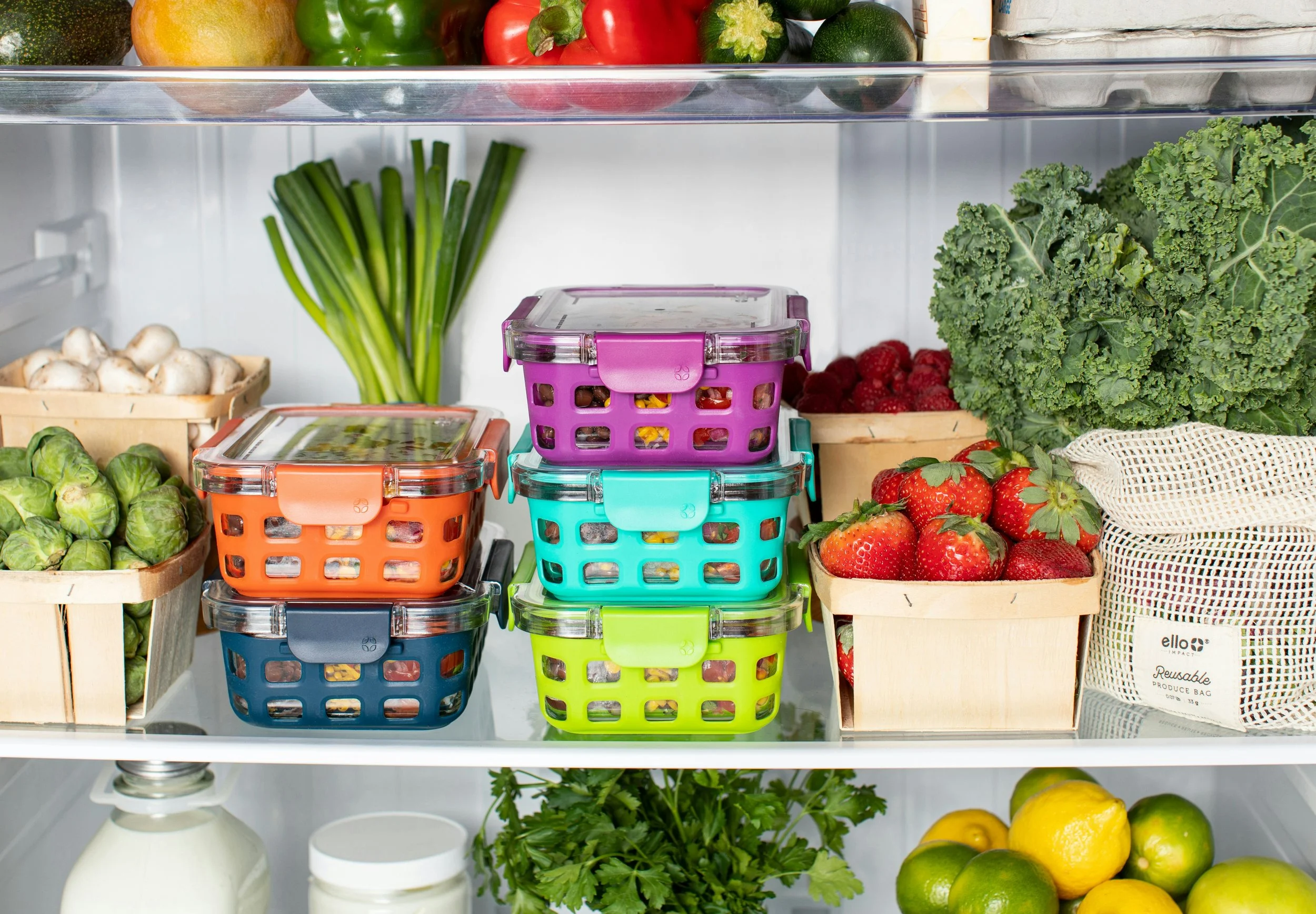
Create a grab-and-go drawer at the bottom of the fridge. Stock it with cut fruit, whole apples, yogurt tubes or pouches, cheese sticks, applesauce, and hard-boiled eggs. When kids can reach it themselves, you stop being the snack concierge.
Build a pantry snack basket with shelf-stable pairs: jerky sticks, nut butter packets, whole grain crackers, roasted chickpeas, and applesauce pouches.
Spend 20 minutes on Sunday. Wash and slice fruit and veggies, boil a batch of eggs, and portion hummus into small containers. That one block of time covers most of the week.
Let kids choose from a "1 + 1" menu. Tape a list to the fridge: pick one protein and one fiber. Kids get independence, and you get a balanced snack without the debate.
Short on time? Here is the minimum viable after school snack setup: packaged is completely fine. Jerky stick + applesauce pouch. Cheese stick + clementine. Protein bar + banana. Done. Keep a few of these pairs in the car for pickup and you've already won the afternoon.
Having a go-to snack list (or basket, or drawer) changes the after school scramble because the decisions are already made. You're no longer staring into the pantry at 3:15 with three kids asking at once.
And the one piece of snack prep advice I give clients most often? Don't forget to prep for yourself. Put your cottage cheese cup and cut veggies in that fridge drawer right next to theirs. Inside my PEACE Method coaching program, this is one of the first small shifts we make, because a fed mom has so much more patience for the evening ahead.
Frequently Asked Questions About After School Snacks
How much should kids eat for an after school snack?
Let their hunger lead. A helpful framework from feeding expert Ellyn Satter is the Division of Responsibility: you decide what and when to serve, and your child decides how much. Some days that's a few bites. Other days, after a long day or a big practice, it's a mini meal. Both are normal. Snacks make up a big part of what kids eat (about 27% of daily calories for U.S. children, according to Piernas & Popkin, 2010), so making them balanced matters more than making them small.
What if my child isn't hungry after school?
That's completely fine. Some kids need time to decompress before they feel hungry. Offer the snack, keep it available, and don't force it. They may come looking for it at 4:30. Just try to close the kitchen about 60 to 90 minutes before dinner so they come to the table ready to eat.
Is it okay for moms to eat the same snacks as their kids?
Yes, absolutely! Most balanced kid snacks are balanced adult snacks, too. You may want a slightly bigger portion or a little extra protein (an extra egg, a bigger scoop of yogurt, a second cheese stick). Eating together also models the habits you want your kids to learn.
How do I handle a child who wants junk food every day after school?
Start by remembering that you decide what and when, and your child decides how much. Complete restriction tends to backfire. In one study, restricting access to a tasty snack made kids want it more, and they took more of it once it was available again (Fisher & Birch, 1999). That's the kid who goes to a friend's house and eats the whole bag of chips.
Instead, use the word “and.” Chips AND a cheese stick. Cookies AND a glass of milk. Pretzels AND hummus. Then talk about it in a neutral way: protein and fiber help give them energy for homework and sports, and eating a lot of chips or cookies all by themselves can make their stomachs feel yucky. You're teaching them how food makes them feel, rather than labeling foods as good or bad.
Should I worry if my child is really hungry after school every day?
No. This is totally normal! School lunch is often rushed, kids are talking with friends and distracted, and it's a LONG day. It makes sense that they're hungry.
One strategy that helps a lot of families: make the after school snack more like a mini dinner. Warm up a few Amylu meatballs or slices of Bilinski's sausage with some fruit, or serve a small bowl of leftovers. Many kids are so tired by dinnertime that they barely eat, so front-loading a heartier snack in the afternoon often works better for their energy and their appetite.
The After School Snack Routine Is One Small Habit With a Big Ripple Effect
Getting this one window right creates more ease across the whole evening. Kids who eat a balanced snack are calmer during homework, more focused at practice, and less likely to melt down before dinner. Moms who eat a balanced snack are more patient, less tempted to graze while cooking, and not ravenous by 5:30.
And remember: nourishing yourself in this moment is not selfish. It's the reason dinner goes smoothly. It's the reason you have patience left at bedtime. And it's how your kids learn that taking care of yourself is part of taking care of everyone.
“I am allowed to take care of me while I take care of them.”
References:
DISCLAIMER: The information contained in this post is not, and should not be construed as, medical advice. It is provided for informational purposes only. Each individual’s situation, nutritional needs, and medical situation are different, and the information contained in this post may not be appropriate for your personal situation. Always check with your own physician or medical professional before implementing any change to your lifestyle, food intake, exercise regimen, or medical treatment.
(C) 2026 Schuster Nutrition, PLLC

Article written by Melissa Schuster, MS, RDN, CDN, IFNCP
Melissa Schuster is a Registered Dietitian and mom of three. She helps busy moms transform their relationship with food through concierge virtual coaching so they can feel fantastic, lose weight for good, and focus on the things that matter most. With her signature PEACE Method which takes a whole-person approach, Melissa has helped hundreds of women find lasting peace in their bodies and around food. An expert in nutrition, Melissa holds a Masters in Clinical Nutrition and Dietetics from New York University and an Integrative and Functional Nutrition Certification.
Connect with Melissa on LinkedIn.
The Newsletter
Want access to exclusive coaching offers, practical nutrition advice, and a healthy dose of mom-to-mom talk delivered straight to you? You’re in the right place!
