
Healthy Breakfasts That Travel Well for Busy Women
If there is one pattern I see more than anything else when women come to work with me, it is skipping breakfast or seriously under-fueling it.
Not because they don’t care about their health. Not because they don’t know better. But because mornings are busy, rushed, and focused on everyone else first.
When we slow things down on a discovery call, the reasons almost always sound the same. There is not enough time. Nothing is prepped. Dinner was late, so hunger feels off in the morning. Kids need to be fed first. Work starts early. Or breakfast technically happens, but it is an afterthought. The leftover piece of waffle. The crusts of toast. Three blueberries from someone else’s bowl. A cup of coffee grabbed while running out the door.
Ari came to me in this exact place. She is a working mom with kids, responsibilities, and a full mental load. Breakfast was whatever happened to be around, if anything at all. She told me she did not even think of herself as someone who skipped breakfast, until we actually talked it through.
And then she said something I hear all the time: she felt exhausted and starving by midmorning and could not understand why.
This is where breakfast stops being optional.
The first meal of the day plays a meaningful role in hormone signaling, energy regulation, and metabolism. Eating earlier in the day supports cortisol patterns, insulin sensitivity, and appetite regulation across the entire day, especially during postpartum years, high-stress seasons, and perimenopause (Jakubowicz et al., 2024; Li et al., 2021; Minari et al., 2025).
But this is not about eating anything just to check a box.
A breakfast built with protein, fiber, and healthy fats helps stabilize blood sugar, reduce energy crashes, and quiet the constant food noise so many women live with. Protein supports metabolism and muscle. Fiber slows digestion and supports gut health. Most women under-eat fiber across the entire day, so breakfast is one of the easiest places to start closing that gap. The same is true for protein, which is often far too low in the morning and then overemphasized at dinner.
Karen said it best after finishing my PEACE Method 1:1 coaching program: “My mindset around what to eat, how much to eat, and when to eat has changed. I almost never ate breakfast, avoided snacks, and ate two huge meals with a protein shake (while also snacking on my kids’ leftovers). Now I eat three balanced meals, and have a high-protein snack when needed to avoid eating off my kids’ plates when I’m hungry at 5:30.” Once she started eating a balanced breakfast consistently, she noticed steadier energy, fewer cravings, and less snacking later on without trying to restrict or “be good.”
The challenge is not knowing that breakfast matters. The challenge is making it work in real life.
That is exactly what this post is about.
Why Breakfast Matters for Hormones and Energy
Eating within about 60 to 90 minutes of waking helps regulate cortisol, your primary stress hormone. Cortisol naturally rises in the morning to help you wake up and feel alert. Pairing that rise with food helps prevent cortisol from staying elevated too long, which can otherwise show up as anxiety, feeling wired, or intense cravings later in the day (Witbracht et al., 2015; Chawla et al., 2021).
Protein plays a big role here. Including enough protein at breakfast slows digestion, supports muscle, and helps prevent the blood sugar spikes that lead to cravings and energy crashes later on (Gannon et al., 2003).
When you skip breakfast, you might experience a big blood sugar swing, followed by irritability, cravings, and a strong pull toward quick carbohydrates later in the day (aka you googling at midnight “why can’t I stop eating sugar?!”). This is not a discipline issue. It is a physiological response to underfueling early.
This is something so many of my clients experience before we start working together… and then come out the other side feeling steadier, calmer, and with fewer cravings once breakfast becomes consistent.
Before coaching, Raya relied heavily on coffee to get through her mornings. She assumed she just “wasn’t hungry.” When she started working with me, she said “I was really struggling with weight loss, energy, keeping up with my kids, and feeling good in my body. I reached out to Melissa primarily to lose weight, and I had a long list of secondary goals, like feeling more energized, getting better sleep, having more vitality, and being a role model for my kids.” Once she started eating breakfast, she stopped feeling shaky by late morning and noticed her afternoons felt calmer and more focused. She even said: “I started eating breakfast! And now, I can't skip breakfast - my body needs it and feels fueled by it. I also have significantly reduced my caffeine and sugar intake. I went from drinking 2 sweetened coffees a day to having 1 unsweetened coffee every few days. I also now have the muscle memory of building a balanced plate with fiber, protein, and fresh produce for each of my meals - it's become second nature!”
And the BEST part of Raya’s experience? This: “The shift in my mindset was really unexpected, but so pleasantly surprising. I spent years yo-yo dieting, and this was the first program I've ever really stuck to. It felt doable, and the positive results on my mind and body were instantaneous.” Raya is not a unicorn - she’s a mom of 2, an entrepreneur, and struggled to put herself first for years. Once she went through the PEACE Method, and started with breakfast, her whole world transformed.

Key Ingredients to Prioritize in On-the-Go Meals
When I help clients build breakfasts they can actually take with them, we keep the framework simple and repeatable.
Protein is the anchor. For most women, aiming for roughly 20 to 30 grams in the morning supports metabolism, muscle maintenance, and satiety.
Fiber-rich carbohydrates matter just as much. Oats, berries, seeds, beans, vegetables, and whole grains support digestion and sustained energy. Many women are surprised to learn how low their fiber intake actually is until we look at their day as a whole.
Healthy fats help meals stick. Nuts, seeds, nut butters, avocado, and full-fat dairy support hormones and help prevent hunger from creeping back an hour later.
Michelle is a great example of how powerful this combination can be. Before coaching, breakfast was inconsistent at best. Some days she skipped it. Other days it was whatever was fastest. Once she started prioritizing protein and fiber in the morning, something shifted. Here’s what she said: “During our initial call, I explained to Melissa what I was eating, how I was feeling and when those sugar cravings had me in its grips. Almost immediately she keyed into blood sugar spikes and drops and discussed the role of balancing my blood sugar. In a matter of 2 weeks (maybe less), those insatiable cravings were GONE. Do they pop up here and there? Sure, but it's nowhere near as controlling as it once was AND it's usually when I haven't eaten enough or didn't eat a balanced meal.” The biggest key for her? Starting with a high-protein and high-fiber breakfast.
That consistency spilled into the rest of her day. Less grazing. Less overeating at night. More trust in herself.
Want to know if coaching is right for you? Schedule a free discovery call.
Top Travel-Friendly Breakfasts for Busy Women
Protein overnight oats
Rolled oats mixed with Greek yogurt, chia seeds, berries, and nut butter are endlessly customizable and easy to grab. Ali used overnight oats as her entry point into eating breakfast consistently. Once breakfast was ready and satisfying, skipping it stopped feeling automatic.
Egg muffins
Eggs baked with vegetables and turkey sausage freeze well and reheat quickly. These work especially well for women who prefer savory breakfasts and want something grounding before a busy day.
Smoothie jars or freezer packs
Smoothies can absolutely work when they are built well. Rachel adjusted her breakfast by cutting back on juice and fruit and adding consistent protein and healthy fats. That small shift led to steadier energy and a noticeable boost in confidence around food choices.
Breakfast wraps
A whole-grain tortilla filled with eggs, black beans, and avocado is portable, filling, and easy to prep ahead.
Cottage cheese snack boxes
Cottage cheese paired with fruit, flaxseed, and almonds works well for women who struggle with nausea or low appetite in the morning but still need protein.
Chia pudding
Chia seeds soaked in milk with protein powder and fruit create a fiber-rich breakfast that supports digestion and satiety.
If you want more ideas like these, you can grab my free breakfast ebook with 10 easy recipes here:
How to Pack Breakfast for Portability
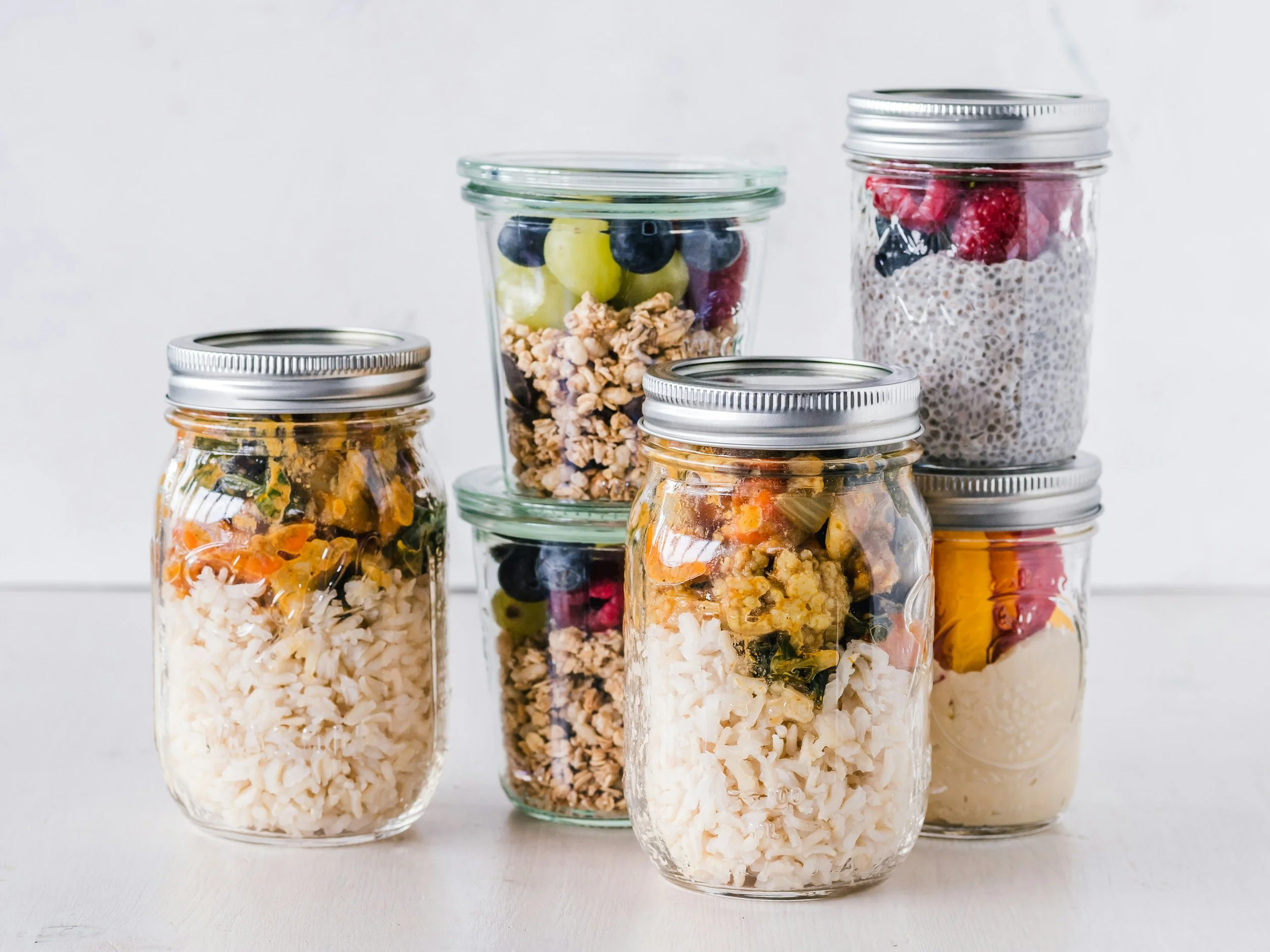
The right container makes follow-through easier. Mason jars, glass containers with tight lids, and insulated food jars all work well depending on the meal. If you commute or travel longer distances, a small cooler bag is worth it.
I also recommend keeping a reusable spoon or fork and a napkin in your work bag so breakfast does not become another decision.
Raya said once breakfast was prepped and visible, she actually ate it. That visibility piece matters more than most people expect.
Make-Ahead Tips for the Week
Batch prepping two or three breakfast options is usually more realistic than prepping everything. Pre-portion smoothie ingredients into freezer bags. Store hard-boiled eggs, wraps, or muffins in clear grab-and-go containers so they do not get forgotten. And don’t forget that convenience options work well in a pinch - pre-boiled eggs, Mush overnight oats, and frozen egg bites all count.
If protein feels like a sticking point for you, this related post pairs well.
FAQs About Eating Breakfast on the Go
Is coffee enough if I’m not hungry in the morning?
Short answer: no. Coffee on an empty stomach does not count as breakfast. Caffeine without food can increase GI distress, spike cortisol, and suppress appetite temporarily. That combination often leads to blood sugar swings later in the day, followed by cravings, irritability, or that “why am I suddenly starving at 3pm?” feeling.
If you consistently feel “not hungry” in the morning, it is worth zooming out and looking at the rest of your day. Are you eating late at night? Are you drinking multiple cups of coffee before 11 a.m. (no judgment)? Are you running from thing to thing so quickly that you have lost touch with your hunger cues altogether?
Ironically, the best way to regulate morning hunger is to start eating breakfast anyway. Even if you are not hungry in the moment, consistently eating a balanced breakfast helps retrain hunger cues over time. Many clients notice that this alone helps reduce nighttime eating and makes morning appetite feel more natural again.
Think of it as breakfast first, coffee second.
This ties in closely with morning routines overall, which I walk through in more detail here: A Healthy Morning Routine for Women to Fuel Energy, Hormones, and Digestion.
What if I feel nauseous eating early?
This is more common than most women realize, and it is often a sign of blood sugar imbalance rather than a reason to avoid breakfast.
When blood sugar dips overnight or cortisol is running high in the morning, nausea can show up. Gently eating breakfast that includes protein, fiber, and a little healthy fat can actually improve nausea over time by stabilizing blood sugar and calming the nervous system.
The key is to start small. A smoothie, yogurt with fruit and seeds, cottage cheese, or a half portion of overnight oats is often enough to get the process started. You do not need a big meal right away. Appetite usually improves as your body gets used to consistent morning fuel.
Can I reheat eggs or oats without a microwave?
Yes… and you also have more options than you might think.
Many travel-friendly breakfasts are designed to be eaten cold. Overnight oats, chia pudding, smoothies, wraps, and cottage cheese bowls all work well straight from the fridge.
If you prefer warm food and do not have a microwave, you can heat eggs or oats at home and transfer them to an insulated food jar. They will stay warm for several hours. Yes, it takes an extra minute. Yes, it is worth it if it means you actually eat breakfast.
Choose the option that works best for your space and schedule, not the one that sounds ideal on paper.
Are bars or shakes a good backup option?
They can be, with some caveats.
Many protein bars are high in added sugars or artificial sweeteners, which can disrupt digestion and contribute to blood sugar swings. This guide breaks down what to look for if you use bars regularly.
Shakes can be a solid option when built thoughtfully. Focus on quality protein, and consider adding a piece of fruit for fiber and a handful of nuts or seeds for healthy fats. It is not just about hitting a protein number. Balanced meals matter.
This post walks through how to choose a protein powder that actually supports your goals.
Final Thoughts: Make Breakfast Work for Your Life
Every woman mentioned here started in the same place. Rushed mornings. Skipped meals. Low energy. Frustration that weight loss felt harder than it should.
None of them are unicorns. They are moms and professionals in the thick of life who finally put themselves on the list.
If you want an easy first step, download my free breakfast ebook here.
And if you are ready to stop eating your kids’ leftovers and guessing your way through mornings, 1:1 coaching through my PEACE Method helps you turn these ideas into habits that actually stick.
References:
DISCLAIMER: The information contained in this post is not, and should not be construed as, medical advice. It is provided for informational purposes only. Each individual’s situation, nutritional needs, and medical situation are different, and the information contained in this post may not be appropriate for your personal situation. Always check with your own physician or medical professional before implementing any change to your lifestyle, food intake, exercise regimen, or medical treatment.
(C) 2026 Schuster Nutrition, PLLC
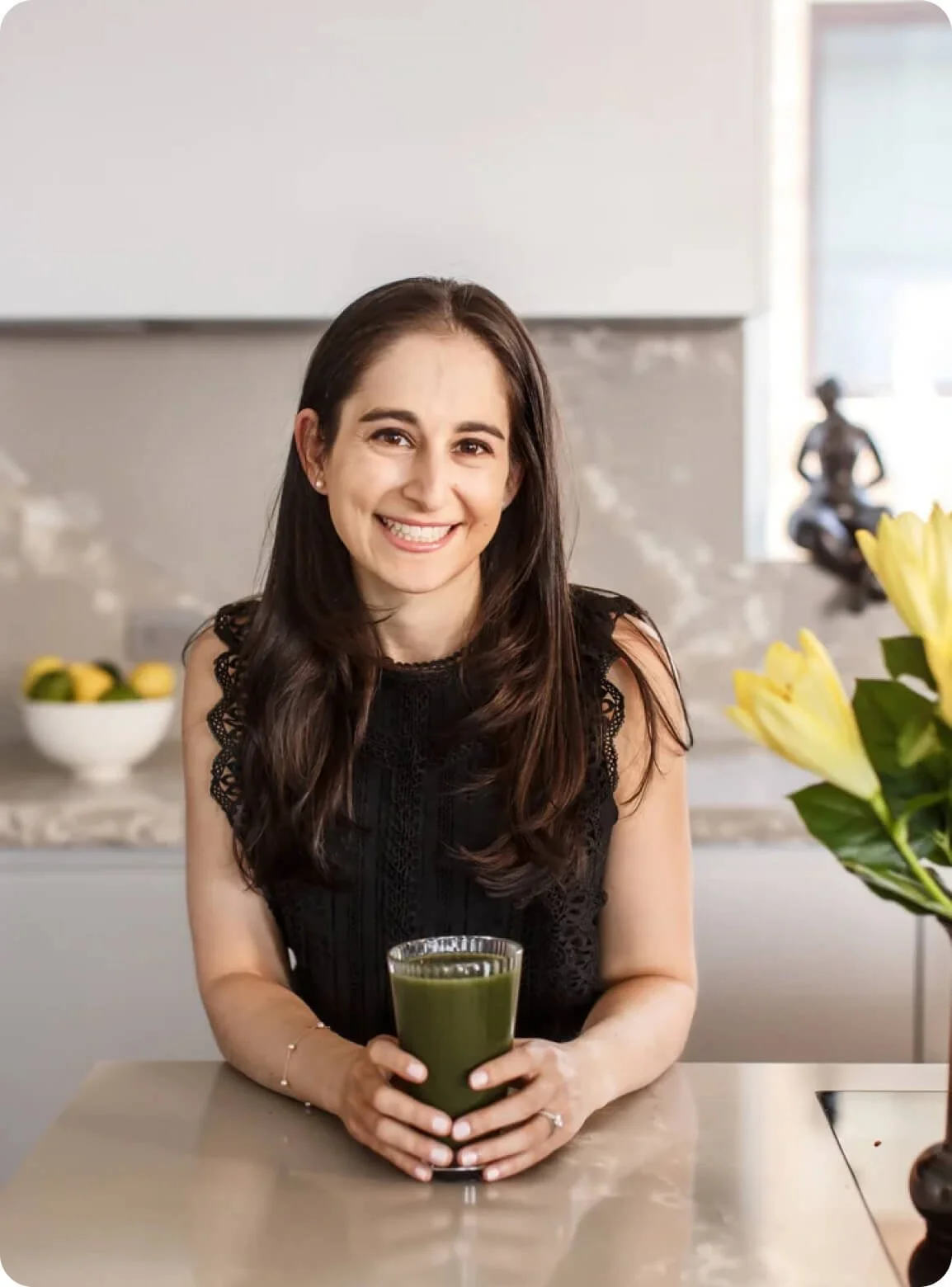
Article written by Melissa Schuster, MS, RDN, CDN, IFNCP
Melissa Schuster is a Registered Dietitian and mom of three. She helps busy moms transform their relationship with food through concierge virtual coaching so they can feel fantastic, lose weight for good, and focus on the things that matter most. With her signature PEACE Method which takes a whole-person approach, Melissa has helped hundreds of women find lasting peace in their bodies and around food. An expert in nutrition, Melissa holds a Masters in Clinical Nutrition and Dietetics from New York University and an Integrative and Functional Nutrition Certification.
The Newsletter
Want access to exclusive coaching offers, practical nutrition advice, and a healthy dose of mom-to-mom talk delivered straight to you? You’re in the right place!
