
Semaglutide Diet Plan for Women: What to Know Before You Start
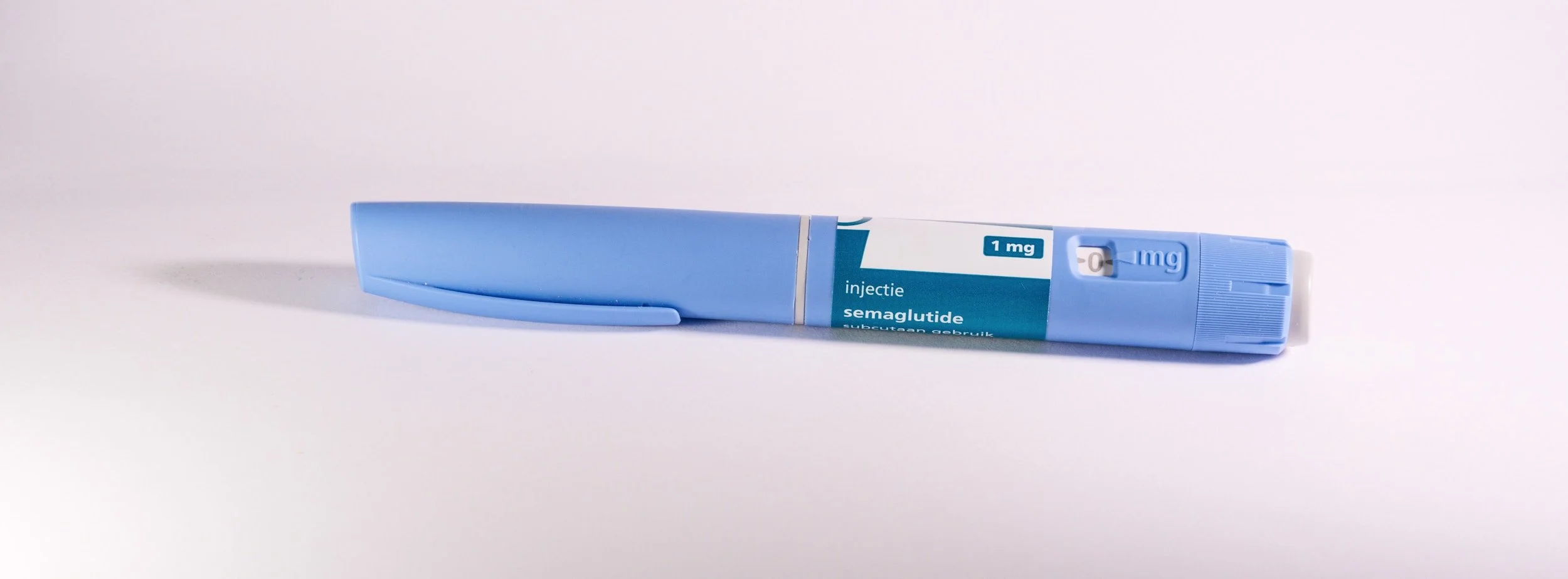
Semaglutide (a.k.a. Ozempic or Wegovy) feels like it’s on everyone’s mind these days. At least in conversations I’ve been having with clients, friends, and family, it’s a medication that has quickly become part of the weight loss conversation for women who feel like they have tried everything. It’s commonly prescribed for type 2 diabetes and obesity because it helps regulate appetite, blood sugar control, and metabolic health. If you’ve been struggling with weight gain related to pregnancy, perimenopause, stress, or years of dieting, semaglutide can feel like a long overdue reset button.
What is often missing from the conversation, though, is how dramatically this medication can change the way eating feels and why nutrition matters just as much, if not more, once you start it. Semaglutide affects appetite signals in the brain, slows digestion, and alters how full you feel after meals. That combination can be helpful for weight loss, but it can also make it surprisingly easy to under-eat, miss key nutrients, and unintentionally lose muscle if there is no plan in place to support your body through those changes (Holst et al., 2021; Sakary et al., 2025).
This is where personalized nutrition becomes essential. There is no universal semaglutide diet plan that works for everyone, because hormone status, activity level, medical history, and lifestyle all influence what your body needs. Understanding how semaglutide works and how to eat in a way that supports energy, muscle, digestion, and long term results can make the difference between feeling confident and nourished versus exhausted and frustrated. Before you start, or if you have already begun, it helps to know what your body is experiencing behind the scenes and how to adjust your nutrition accordingly.
Understanding How Semaglutide Works in the Body
Semaglutide belongs to a class of medications known as GLP-1 receptor agonists. GLP-1 is a hormone naturally produced in the gut that plays a role in regulating appetite, insulin secretion, and blood sugar levels. When semaglutide activates these receptors, it increases signals of fullness in the brain, reduces hunger, and improves glycemic control (Zheng et al., 2024).
One of the most noticeable effects is delayed gastric emptying. Food moves more slowly from the stomach into the small intestine, which helps you feel full sooner and stay full longer. This is part of why many women report eating smaller portions without trying. At the same time, slower digestion can contribute to side effects such as nausea, bloating, and constipation if meals are poorly timed or lack adequate fiber and fluids (Barrea et al., 2025).
Semaglutide also improves insulin sensitivity and helps stabilize blood sugar levels, which can reduce cravings and energy crashes that often drive overeating. These metabolic shifts can support weight loss, but they also mean your body is relying on fewer eating cues to prompt nourishment. Without intentional nutrition, it becomes easy to fall short on protein, vitamins, minerals, and total energy intake, which is why dietary support is a critical complement to the medication itself.
Why Women Have Unique Dietary Needs on Semaglutide
Women experience metabolic changes differently across the lifespan, and those differences matter when appetite is suppressed. Hormonal fluctuations related to menstruation, postpartum recovery, perimenopause, and menopause all influence protein needs, bone turnover, iron status, and energy metabolism. When food intake drops quickly, these needs do not disappear.
Protein intake becomes especially important, as women are already at higher risk for age-related muscle loss [see this related post on GLP-1 and protein]. On semaglutide, reduced appetite can accelerate lean mass loss if protein is not prioritized (Bikou et al., 2024). Bone health is another concern, particularly for women in midlife, when calcium, vitamin D, and overall nutrient intake play a role in preserving bone density. Iron needs also remain high for many women, and reduced intake combined with nausea or food aversions can increase the risk of deficiency.
Because semaglutide makes it easier to feel full on very little food, unintentional undernourishment is one of the most common issues I see in practice. Fatigue, hair shedding, low mood, dizziness, and stalled weight loss are often signs that the body is not getting what it needs to adapt in a healthy way.
Nutrition on this medication is not about eating as little as possible. It is about eating enough of the right things to support your physiology.
Not sure if you’re getting the right nutrition while on semaglutide? Schedule a free discovery call to learn more about personalized nutrition coaching.

Top Nutrition Priorities While Using Semaglutide
A successful semaglutide diet plan focuses on nutrient density rather than calorie restriction. Research consistently shows that weight loss outcomes and metabolic health are better supported when diets emphasize high quality protein, fiber-rich carbohydrates, and healthy fats, rather than aggressive calorie cutting (Mozaffarian et al., 2025).
I know you’ve likely heard me say “protein, fiber, fat” often when it comes to balanced meals. But here’s why:
Adequate protein intake helps preserve lean muscle, supports satiety, and stabilizes blood sugar.
Fiber supports digestion, gut health, and regular bowel movements, which is especially important when gastric emptying is slowed.
Healthy fats support hormone production and absorption of fat-soluble vitamins, but portions often need to be moderated to reduce nausea.
There’s a reason I talk about these nutrients often - they are the building blocks to weight loss, with or without a semaglutide, but they become even more important when appetite is suppressed.
Hydration also plays a larger role than many women expect. Slower digestion increases the risk of constipation, particularly when fiber intake is inconsistent. Fluids help keep digestion moving and support overall energy levels, especially if appetite is low.
Common Pitfalls to Avoid
One of the biggest mistakes I see my clients make on semaglutide is skipping meals simply because hunger cues are quiet. Going long stretches without eating may seem harmless, but it often leads to inadequate protein intake and low energy. Another common issue is relying on ultra-processed convenience foods just to get something down, which can worsen nausea and fail to provide meaningful nourishment.
Ignoring early signs of nutrient deficiency is also common. Fatigue, brittle nails, thinning hair, irritability, and brain fog are not inevitable side effects of semaglutide. They are often signals that the body needs more support. Addressing these issues early can prevent bigger setbacks later.
Meal Planning Considerations
Simple, balanced meals built around whole foods tend to be the most tolerable and sustainable. Having easy, high-protein, high-fiber options available reduces decision fatigue and makes it easier to eat consistently even on low appetite days. This is where having a go-to breakfast guide and snack guide can be incredibly helpful, especially when mornings feel rushed or nausea is present.
On days when side effects are more noticeable, incorporating easy to digest foods can make meals more manageable. Smaller portions spread throughout the day are often better tolerated than large meals, but quality still matters. Even when eating more frequently, the goal is to include protein and fiber rather than grazing on low nutrient snack foods that leave you under fueled.

Fitness and Protein Timing Tips
Preserving lean muscle is one of the most important factors for long term success on semaglutide. Research shows that resistance training combined with adequate protein intake helps reduce muscle loss during weight loss, even when appetite is suppressed (Bikou et al., 2024; Neeland et al., 2024; Massachusetts General Hospital, 2025).
Aligning protein intake with activity level can support recovery and metabolic health. Spreading protein evenly throughout the day, rather than saving it for one meal, helps maximize muscle protein synthesis. Strength training does not need to be intense or time consuming to be effective, but it should be approached with guidance from your healthcare provider and, ideally, a registered dietitian and qualified trainer who understands the unique considerations of GLP-1 medications.
Gentle movement such as walking, yoga, or light strength work can also support mood, digestion, and energy levels, creating a more balanced weight loss experience.
FAQs About Eating on Semaglutide
Can I follow keto or intermittent fasting while on semaglutide?
These approaches are generally not recommended. Very low carbohydrate diets often lack sufficient fiber, which can worsen constipation and digestive discomfort. High fat intake can also increase nausea for many women. Intermittent fasting can be especially challenging because early satiety and delayed gastric emptying make it difficult to consume enough nutrients in a short eating window. A balanced approach that prioritizes protein and fiber tends to be more supportive.
Should I take vitamins or supplements while on this medication?
Supplement needs are highly individualized and should be guided by lab work and professional input. Many women benefit from a basic multivitamin, and some find protein powders or fiber supplements helpful during the adjustment period. Electrolytes may be useful if hydration is a challenge. Common deficiencies seen in clinical practice include vitamins A, B1, C, E, K, B12, and D, as well as minerals such as calcium, magnesium, zinc, folate, and iron. Working with a healthcare provider and registered dietitian ensures supplements are appropriate and safe.
What should I eat on days when I feel nauseous or full quickly?
Small, frequent meals are often better tolerated. Bland, easy to digest foods and lower fat options can reduce symptoms. Prioritizing protein earlier in the day, especially on injection days, can help stabilize intake. Avoiding strong smelling or spicy foods, limiting fluids during meals, and focusing on hydration between meals can also be helpful. Clear liquids such as water or ginger tea are often soothing.
If you are navigating these questions and want individualized guidance, this is a great time to consider 1:1 nutrition coaching. Having support while starting semaglutide can help you avoid common pitfalls and feel more confident in your food choices.
Final Thoughts: Nutrition Is Not One Size Fits All
Semaglutide can be a powerful tool, but it is not a complete solution on its own. Nutrition plays a central role in how well your body adapts, how you feel day to day, and whether results are sustainable. Tracking intake, symptoms, and energy levels provides valuable insight and helps guide adjustments along the way.
If you are considering semaglutide or already using it and want a plan that supports your health rather than just the scale, I invite you to apply for 1:1 coaching. Together, we can build a nutrition strategy that fits your life, supports your body, and helps you feel confident moving forward.
References:
DISCLAIMER: The information contained in this post is not, and should not be construed as, medical advice. It is provided for informational purposes only. Each individual’s situation, nutritional needs, and medical situation are different, and the information contained in this post may not be appropriate for your personal situation. Always check with your own physician or medical professional before implementing any change to your lifestyle, food intake, exercise regimen, or medical treatment.
(C) 2026 Schuster Nutrition, PLLC

Article written by Melissa Schuster, MS, RDN, CDN, IFNCP
Melissa Schuster is a Registered Dietitian and mom of three. She helps busy moms transform their relationship with food through concierge virtual coaching so they can feel fantastic, lose weight for good, and focus on the things that matter most. With her signature PEACE Method which takes a whole-person approach, Melissa has helped hundreds of women find lasting peace in their bodies and around food. An expert in nutrition, Melissa holds a Masters in Clinical Nutrition and Dietetics from New York University and an Integrative and Functional Nutrition Certification.
The Newsletter
Want access to exclusive coaching offers, practical nutrition advice, and a healthy dose of mom-to-mom talk delivered straight to you? You’re in the right place!
