
Easy Winter Soup Recipes for Busy Moms
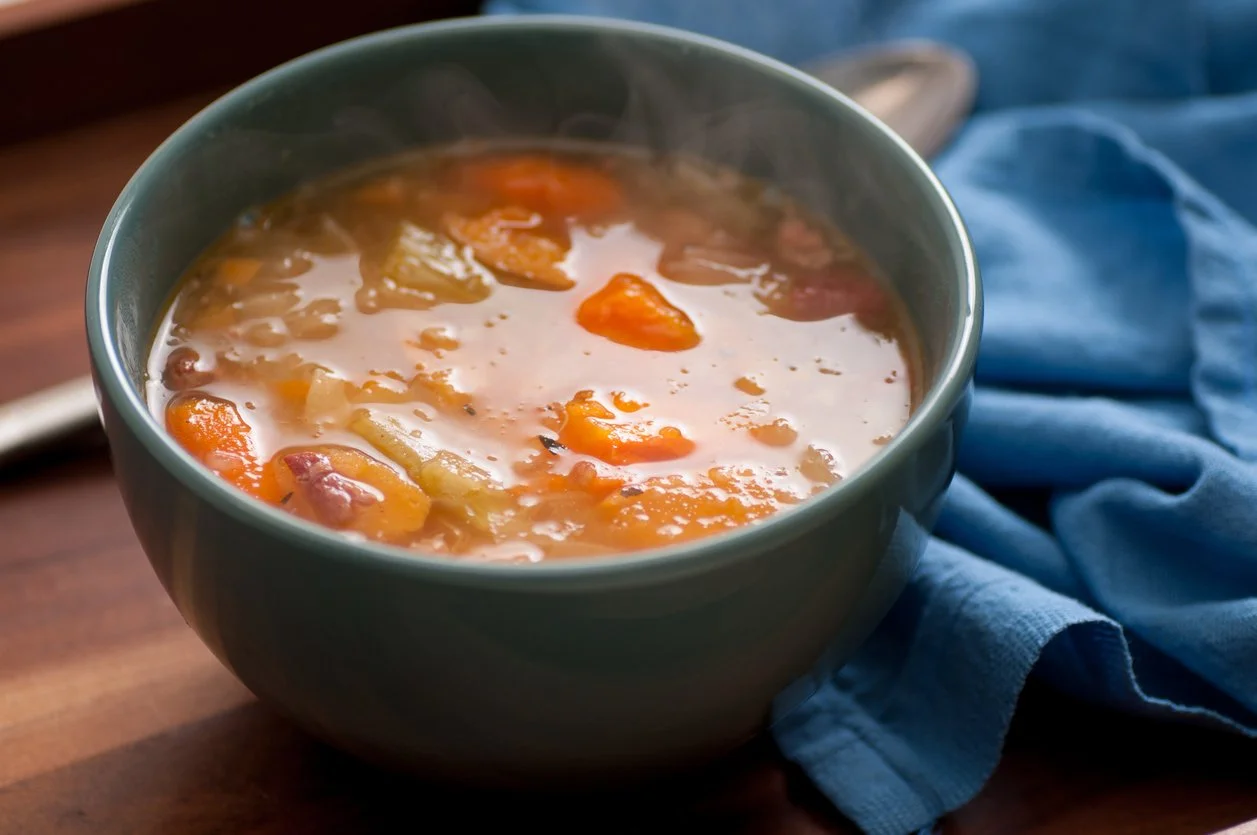
If winter has you feeling like you’re running a triathlon in a parka, you’re not alone. The dark mornings, the icy car seats, the layers your kids refuse to wear, the after-school activities that somehow all start at the exact same time… It’s a lot. And in the middle of that chaos, dinner often becomes a rotating cycle of “I don’t know,” “something quick,” or “let’s just get takeout.”
Raise your hand if the cold and dark are getting to you, too. It’s already enough as a mom to take care of yourself on a normal day, let alone when you’re juggling jackets, gloves, lunchboxes, drop-offs, meetings, and the dreaded evening routine. If you have older kids, I don’t even have to explain the sports-in-the-dark shuffle that leaves you completely drained by 8pm.
This is exactly why soups shine in winter. They’re warm, cozy, one-pot meals that take minimal effort and still make you feel like you’re taking care of yourself. They reheat beautifully. They help you break the “what’s for dinner?” stress cycle. And when done right, they’re not just comfort food – soups can be high-fiber, high-protein, deeply nourishing meals that support your energy, digestion, and immunity.
Today’s post is a roundup of fast, nourishing winter soups that busy families actually enjoy, plus the ingredients, strategies, and shortcuts to make winter cooking feel just a little easier.
Why Is Soup Such a Good Winter Meal?
Because it does three things at once: supports blood sugar with protein and fiber, hydrates you, and delivers the warmth you actually crave in winter.
Soup checks so many boxes, especially for moms (like me!) who are running around half-hydrated, eating whatever we can grab between tasks, or skipping meals entirely because the day gets away from us. A warm bowl forces you to pause for a minute, breathe, and actually eat something that keeps you going.
Protein is a key player here. It's the difference between "this was cozy" and "why am I hungry again?" That's why things like chicken, lentils, tofu, beans, or even a good bone broth make such a difference.
Then there's the fiber. Fiber from veggies and whole grains keeps you full longer and supports digestion. Winter soup staples like carrots, cabbage, kale, cauliflower, barley, farro, and sweet potatoes are all great examples.
Winter produce also quietly brings the minerals you're usually low on this time of year, like potassium and magnesium, which affect energy more than we realize.
As a registered dietitian, I see this all the time. When clients lean into warm, nutrient-dense meals instead of cold salads or convenience snacks, they feel more grounded and notice fewer cravings.
And the comfort factor matters too. You can absolutely enjoy the cookies and hot chocolate, but soup gives you something grounding to come back to.
Is Soup Actually Filling Enough to Be a Meal?
Yes, as long as it has protein and fiber in it. Soup gets dismissed as a "starter" only when it's missing the pieces that make a meal satisfying.
Add beans, lentils, quinoa, shredded chicken, tofu, or barley, anything with staying power, and it becomes a full meal instead of a warm appetizer.
My client Lily is a good example of putting this into practice. She told me winter was usually chaos for her. The cold weather and packed schedules meant she either skipped lunch or grabbed something that wasn't really a meal, and by 3 p.m. she was reaching for coffee or chocolate because she was starving and exhausted.
Once she started making one big pot of soup every Sunday, nothing fancy, just rotating flavors so she wouldn't get bored, lunch wasn't a battle anymore. She'd bring a thermos and maybe a piece of fruit, and that was enough.
What surprised her most was how steady she felt. She wasn't thinking about snacks all afternoon. She wasn't fighting the "I'm so tired, I just need something" feeling.
And she definitely wasn't expecting to lose weight in the winter, yet she did, simply because she wasn't battling hunger all day.
If cooking isn't happening for you right now, that's fine. Store-bought can totally work. You just need a little add-in, like leftover chicken, a handful of beans, a scoop of quinoa, or frozen spinach. It doesn't need to be complicated.
What Ingredients Make a Soup High in Protein and Fiber?
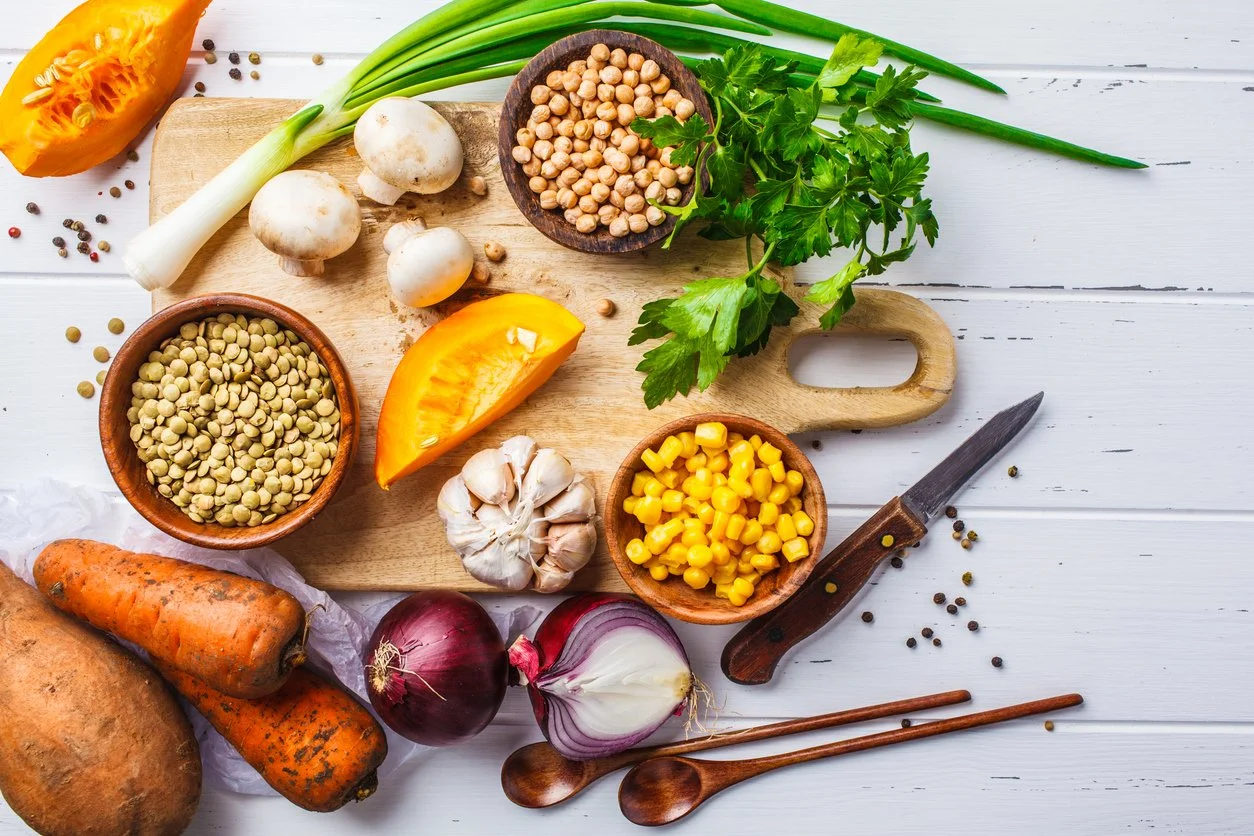
A protein source, a fiber source, a good broth, and a few shortcuts that keep it realistic on a weeknight. If you want to make winter soup a weekly staple, here are the go-to ingredients I recommend keeping on hand.
Protein sources
Rotisserie chicken (shred and freeze in portions)
Ground turkey or lean beef
Canned lentils, or lentils that cook in 10 to 15 minutes
Canned beans: white beans, chickpeas, black beans, kidney beans
Firm tofu, diced or crumbled
Greek yogurt (stir in at the very end to avoid curdling)
Bone broth, for an extra 10 grams of protein per serving
Fiber and complex carb boosters
Barley or farro
Brown rice or quinoa (I always keep frozen rice and quinoa on hand to throw into soups, chilis, and more)
Carrots
Kale, spinach, or cabbage
Leeks, celery, onions
Sweet potatoes or butternut squash (buy these pre-cut so they're ready to go)
Flavorful, nourishing broths
Bone broth (I love buying this in bulk from Costco)
Vegetable broth with miso, ginger, turmeric, or garlic
Low-sodium chicken broth
Time-saving shortcuts
Frozen mirepoix, the onion, celery and carrot mix. One of my favorite hacks.
Pre-chopped veggies
Frozen spinach, peas, and cauliflower. Frozen cauliflower rice is my favorite veggie to add to soups.
Steam-in-bag sweet potatoes
Canned tomatoes or tomato paste
When these ingredients live in your pantry and freezer, soup night becomes the easiest night of the week.
| Pick a protein | Add a fiber source | Choose a broth |
|---|---|---|
| Rotisserie chicken | Barley or farro | Low-sodium chicken broth |
| Canned beans or lentils | Kale, cabbage, or carrots | Vegetable broth with garlic and turmeric |
| Firm tofu | Sweet potato or butternut squash | Vegetable broth with miso and ginger |
| Ground turkey | Quinoa and frozen cauliflower rice | Bone broth |
What Are the Most Common Mistakes When Making Healthy Soup?
Three things: too much cream and not enough substance, no real protein in the bowl, and relying on canned soup without adding anything to it.
A lot of the "healthy" soups people make at home fall short for the same few reasons. Sometimes the soup is mostly cream and not much else, so it tastes great but doesn't keep you full. Sometimes there's no real protein in the bowl, which means you're hungry again 20 minutes later. And canned soups, well, love the convenience, but they usually need some help.
Most of these are easy to fix. Blend in cauliflower, white beans, or canned coconut milk if you want creaminess without relying on dairy. Add visible protein, enough that you can actually see it in the bowl. Give canned soups a little backup with veggies or beans.
If the sodium makes you nervous, start with a low-sodium broth and build flavor from garlic, herbs, lemon, or whatever you already use in your cooking.
| The Mistake | The Fix |
|---|---|
| Mostly cream, not much else | Blend in cauliflower, white beans, or canned coconut milk for creaminess without relying on dairy |
| No real protein in the bowl | Add enough protein that you can actually see it, like shredded chicken, beans, lentils, or tofu |
| Canned soup on its own | Give it backup with veggies or beans, and start from a low-sodium broth if sodium is a concern |
What Are Some Quick, Nourishing Soups for Weeknights?
Seven that are easy, nourishing, and busy-mom approved. Many are freezer-friendly or ready in under 30 minutes.
Quick and Easy Lentil and Spinach Soup — High in fiber, vegetarian, and perfect for last-minute meals. Use pre-cooked lentils to cut the cooking time in half.
Chicken and White Bean Chili (freezer-friendly) — Packed with protein and great for batch cooking. Use rotisserie chicken for a time-saving hack.
Butternut Squash and Red Lentil Soup — Creamy without cream, iron-rich, and kid-friendly. Pre-cut butternut squash is a huge time saver here.
Beef and Barley Vegetable Soup (freezer-friendly) — Hearty, high-fiber, and warming.
Thai-Inspired Coconut Chickpea Soup — Plant protein plus immune-supportive herbs.
Instant Pot Chicken Tortilla Soup (under 30 minutes) — A family favorite that tastes like takeout without the cost or sodium.
Minestrone Soup with Quinoa — Veggie-packed and ultra-satisfying.
How Do You Know If Your Soup Is Balanced?
Check for three things: some protein, something with fiber or slow-burning carbs, and a bit of color from vegetables. If your bowl is missing one, that's usually why it doesn't hold you.
If something feels off, add a spoonful of beans or quinoa, toss in greens, or pair your bowl with a small whole grain roll or salad.
To make this even easier, the free Winter Soup Guide walks you through the full framework and includes 13 additional recipes.
IS YOUR SOUP A FULL MEAL?
☐ Protein — chicken, beans, lentils, tofu, or bone broth
☐ Fiber or slow-burning carbs — barley, quinoa, sweet potato, or plenty of veggies
☐ Color from vegetables — greens, carrots, squash, tomatoes
FAQs About Making, Storing, and Serving Soup
Absolutely. Most soups taste even better the next day. Prep once, eat two or three times.
Refrigerate for 3 to 4 days, or freeze for up to 3 months. I recommend freezing without pasta or dairy for the best texture, then adding those in when you reheat.
Look for clean ingredients and low sodium. Some good options are Kettle & Fire, Pacific Foods, Rao's, and Trader Joe's Lentil Soup.
Whichever you choose, upgrade it with beans, spinach, leftover chicken, or quinoa so it holds you like a real meal.
Start by making the texture easier and letting them have some control. These are the strategies that work for me and my kids, and for my clients' kids:
• Blend the veggies into a smooth base
• Add noodles or small pasta
• Serve toppings like cheese, croutons, or avocado. Letting them serve themselves is always a hit.
• Offer a "safe food" on the side, like fruit, bread, or yogurt
And be patient with it. Texture can be genuinely hard for kids, and it can take 10 to 15 tries before they like a new food. Keep offering without pressure.
Final Thoughts: Warm Meals, Strong Moms
Soup seems almost too simple to matter, but it really can change how the rest of your day feels. You get warmth, nourishment, and a small moment of calm at a time of year when everything feels a little heavier. Try adding just one new soup into your weekly rotation and see how much easier your nights feel.
If you’re craving more support, especially during a season when routines fall apart, here’s where to start:
→ Download the free soup guide for an instant win in making healthier choices.
→ Join the newsletter for weekly recipes, tips, and realistic strategies.
→ Apply for 1:1 coaching to build a personalized winter plan that helps you lose weight, feel energized, and stay consistent no matter how busy life feels.
You can also explore: How to Eat Seasonally in Winter
DISCLAIMER: The information contained in this post is not, and should not be construed as, medical advice. It is provided for informational purposes only. Each individual’s situation, nutritional needs, and medical situation are different, and the information contained in this post may not be appropriate for your personal situation. Always check with your own physician or medical professional before implementing any change to your lifestyle, food intake, exercise regimen, or medical treatment.
(C) 2026 Schuster Nutrition, PLLC

Article written by Melissa Schuster, MS, RDN, CDN, IFNCP
Melissa Schuster is a Registered Dietitian and mom of three. She helps busy moms transform their relationship with food through concierge virtual coaching so they can feel fantastic, lose weight for good, and focus on the things that matter most. With her signature PEACE Method which takes a whole-person approach, Melissa has helped hundreds of women find lasting peace in their bodies and around food. An expert in nutrition, Melissa holds a Masters in Clinical Nutrition and Dietetics from New York University and an Integrative and Functional Nutrition Certification.
The Newsletter
Want access to exclusive coaching offers, practical nutrition advice, and a healthy dose of mom-to-mom talk delivered straight to you? You’re in the right place!
