
High-Fiber Cereals Women and Moms Will Actually Want to Eat
Quick Summary: Most women get far less than the recommended 25–30g of fiber per day. A high-fiber cereal delivers at least 5g per serving — ideally 8–10g — and pairs best with protein and healthy fat. Top picks include Fiber One Original Bran (18g), All-Bran Buds (17g), and Ezekiel 4:9 (6g fiber, 8g protein). Scroll down for the full comparison table and bowl-building tips.
High-fiber cereals are one of the fastest, most realistic ways for busy moms to support weight loss, steady energy, and better digestion — without overhauling their mornings.
As a Registered Dietitian and weight loss coach for busy moms, I help women cut through the nutrition noise and build habits that actually last. The framework I use with every client is the PEACE Method — a five-step approach built around Past to Present, Energy Balance, Attention to Mindset, Confidence Building, and Enhanced Lifestyle. No calorie counting, no food restrictions, just a whole-person plan that fits real mom life. Fiber is one of the most powerful and underused tools in that framework.
Most women fall well short of the recommended 25 to 30 grams of fiber per day. That gap matters more than most people realize. Fiber intake is linked to improved blood sugar control, healthier gut bacteria, better estrogen metabolism, and more consistent energy throughout the day — which means it quietly touches almost every goal women bring to me. (Barber et al., 2020; Hervik et al., 2019)
The good news: you do not need to cook elaborate meals or reinvent your routine. Choosing the right cereal can move the needle quickly, as long as you know what to look for and what to skip.
Nine times out of ten, my discovery calls start the same way.
“I’ve been struggling to lose weight for years. I’ve tried all the diets. I’m here because I want weight loss.” Then there’s a pause.
“Oh, and also… I want more energy. Better digestion. Steadier blood sugar. I don’t want to feel starving or crashing every afternoon. But I don’t have time. Especially not for breakfast with the chaos of mornings.”
If that sounds familiar, you are not doing anything wrong. You are living a very real life.
Why does fiber matter so much for women's hormones and weight loss?
Fiber plays a foundational role in blood sugar regulation, digestion, hormone balance, and appetite control. When carbohydrates are paired with adequate fiber, glucose enters the bloodstream more slowly. That steadier release supports more stable energy and fewer reactive cravings later in the day. Research consistently shows that higher fiber diets are associated with improved glycemic control and insulin sensitivity, even without intentional calorie restriction (Alahmari, 2024; Zengul et al., 2021).
Fiber is also critical for estrogen metabolism. Estrogen is processed through the liver and excreted through the gut. When fiber intake is low or digestion is sluggish, estrogen can be reabsorbed rather than eliminated. Higher fiber intake is associated with lower circulating estrogen levels, which can be particularly relevant during perimenopause when hormonal fluctuations already feel amplified (Rose et al., 1991).
From a digestive standpoint, adequate fiber supports stool bulk, gut motility, and microbial diversity. Many women notice that when fiber intake improves gradually, bloating decreases, bowel movements become more regular, and even mood feels more stable. In my practice, most clients who increase fiber gradually notice improved digestion within 1–2 weeks. That said, not all fiber feels the same in the body. Highly fermentable fibers, including inulin and certain soluble fibers, can increase gas and bloating in sensitive individuals, especially when intake increases too quickly. Psyllium fiber tends to be less fermentable and is often better tolerated when easing fiber intake upward.
Steady energy, hormonal balance, and digestion matter even more during key life phases like postpartum and perimenopause, when digestion, appetite regulation, and blood sugar control often feel less predictable than they once did.
How do I know if a cereal is actually high in fiber?
As a weight loss dietitian, when I am looking at cereal labels with clients, the first number I look for is fiber grams per serving. A truly high fiber cereal delivers at least five grams of fiber per serving. Many women need closer to eight to ten grams at breakfast to make a meaningful dent in daily intake, especially if fiber is lower later in the day.
Understanding the type of fiber helps, too. Insoluble fiber adds bulk and supports regularity. You will find it naturally in wheat bran, whole grains, seeds, and many traditional bran-based cereals. Soluble fiber dissolves in water, forming a gel that slows digestion and supports blood sugar control. It is found in foods like oats, barley, legumes, and certain added fibers.
Most high-fiber cereals rely heavily on insoluble fiber from bran. Some include added soluble fibers or prebiotics like inulin or chicory root. These can be helpful for gut health, but they can also be the reason a cereal causes bloating or discomfort. This is where starting slowly and paying attention to your own tolerance matters.
Label reading is key. Portion sizes can be misleading, and some cereals rely on marketing language like “multigrain” or “protein-packed” while providing very little fiber. Added sugars can also undermine the blood sugar benefits fiber is meant to support.
What should I avoid when buying high-fiber cereal?
One of the most common issues I see is cereals that appear healthy but contain less than three grams of fiber per serving. Granola and protein cereals are frequent offenders. They may contain whole grains or added protein, but without enough fiber, they do little to support satiety or blood sugar control.
High sugar content is another concern. Even when fiber is present, a cereal that delivers a significant amount of added sugar can still trigger energy crashes and cravings later in the day.
Long ingredient lists with highly processed additives are also worth questioning. A cereal does not need to be perfect, but simpler ingredient lists tend to be easier on digestion and more consistent with daily use.
What are the best high-fiber cereals for women?
When I share cereal options with clients, I think in terms of real life use: What will actually get eaten? What works for sensitive digestion? What can be shared with kids without turning breakfast into a negotiation?
I am not affiliated with or sponsored by any of the brands below.
| Cereal | Fiber | Protein | Best For | Watch Out For |
|---|---|---|---|---|
| Fiber One Original Bran | 18g / ⅔ cup | 3g | Mixing into yogurt or another cereal | Best combined, not eaten alone |
| All-Bran Buds | 17g / ½ cup | 4g | Yogurt bowls, berry parfaits | Dense texture |
| Nature's Path Smart Bran | 17g / ¾ cup | 3g | High-fiber boost | 8–12g added sugar |
| Kashi Go | 12g / 1¼ cup | 12g | Protein + fiber combo | 8–12g added sugar |
| Ezekiel 4:9 | 6g / ½ cup | 8g | Lower sugar, whole food ingredients | Denser texture |
| Catalina Crunch | 5g / ½ cup | 10g | Gluten-free, lower carb | See note below |
| Three Wishes / Magic Spoon | Varies | 12–14g | Kid-friendly, high protein | See note below |
A note on Catalina Crunch: The added fibers can be more fermentable, so starting with a smaller portion is helpful. This brand is also sweetened with Stevia and Monkfruit, which can sometimes cause GI upset.
A note on Three Wishes and Magic Spoon: These are higher in protein and often kid-approved, but fiber content varies by flavor. Pair intentionally with fruit, seeds, or a fiber-rich side to round out the bowl.

How do I build a breakfast bowl that keeps me full?
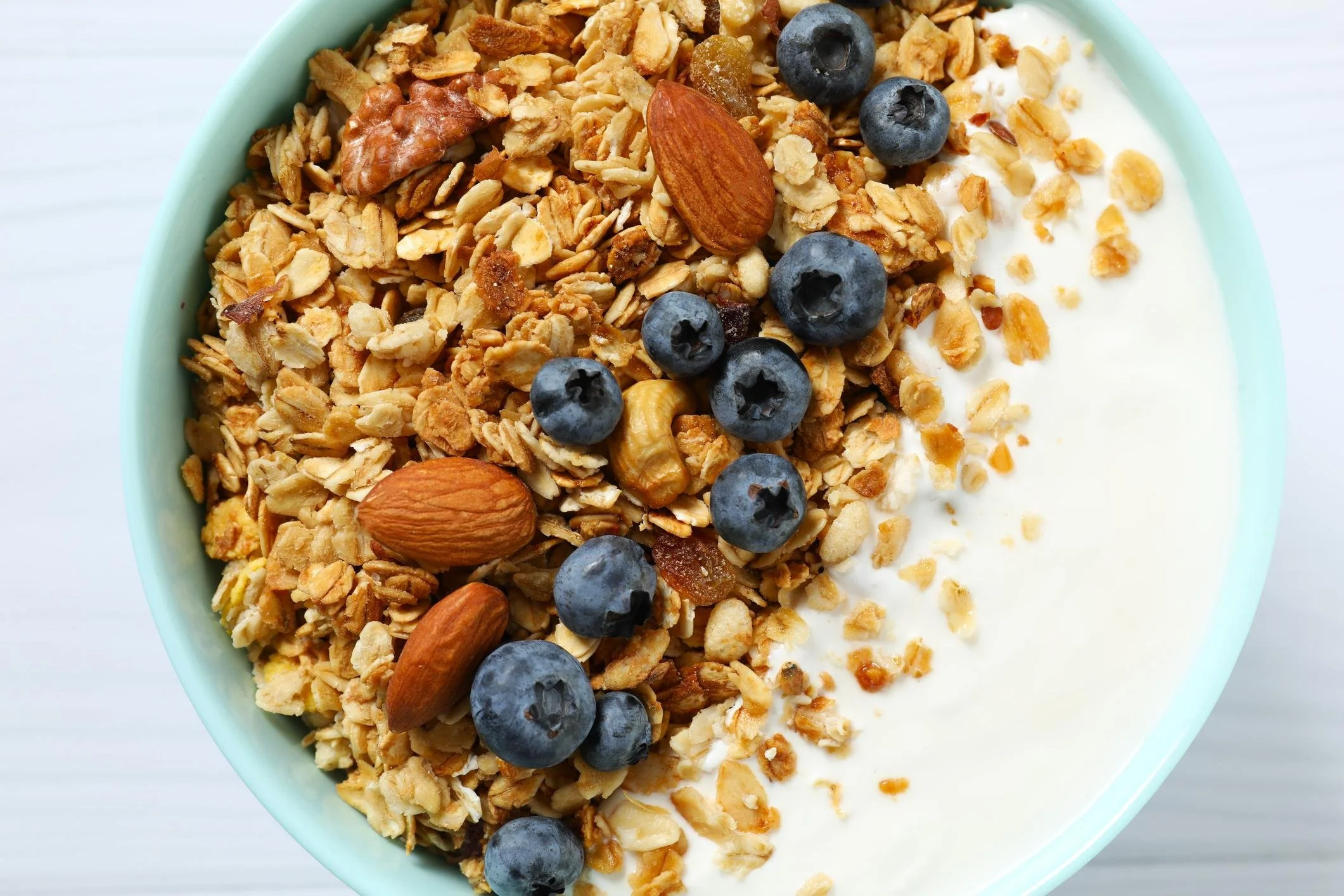
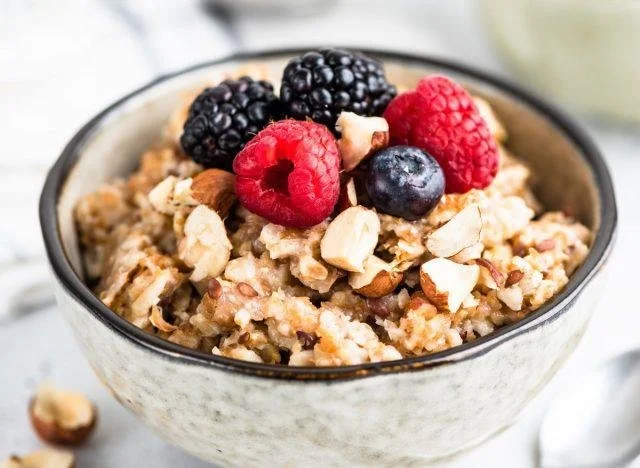
If you’ve tried breakfast cereals in the past and felt hungry an hour later, this is why: Cereal alone is rarely enough to carry you through the morning. When I help clients build a breakfast around cereal, we focus on adding protein, healthy fats, and color.
Protein can come from Greek yogurt, a high protein milk, seeds stirred into the bowl, or even eggs on the side. Healthy fats like nut butter, chia seeds, or ground flax help slow digestion and increase satisfaction. Adding color through berries, sliced banana, or even pairing cereal with a smoothie helps increase micronutrient intake without much extra effort.
If you want more guidance on breakfast combinations that actually keep you full, you can grab my free breakfast ebook here.
How can I add more fiber to breakfast without a big change?
For picky eaters or hesitant partners, mixing a higher fiber cereal with a familiar favorite is often the easiest entry point. Over time, the ratio can shift as taste preferences adjust. For example, I love pairing Cheerios with a high-fiber cereal for my picky 5-year-old – she’s more likely to try it since it’s mixed into a cereal she eats!
Cereal also works well as a topping. Sprinkling a fiber-rich cereal over yogurt parfaits or smoothie bowls adds crunch and fiber without requiring a full bowl.
Another option is using cereal as part of homemade trail mix. Combined with nuts and seeds, it becomes an easy on the go snack that supports digestion and energy between meals.
FAQs About Fiber and Breakfast Cereal
Can I get too much fiber? Yes, especially if intake increases too quickly. Symptoms like bloating, gas, or discomfort usually signal that your body needs a slower transition. Increasing fiber gradually and drinking enough fluids helps prevent this.
Is cereal okay for weight loss? Cereal can absolutely support weight loss. Most of my clients who pair a high-fiber cereal with 20–25g of protein at breakfast report fewer afternoon cravings. Fiber supports satiety and blood sugar control, which often reduces overall snacking and grazing later in the day.
What if cereal upsets my stomach? Pay attention to the type of fiber. Highly fermentable fibers and added prebiotics can cause discomfort for some people. Starting with smaller portions and choosing cereals with more insoluble fiber or psyllium can help.
Are gluten-free options available with high fiber? Yes. Several gluten free cereals provide meaningful fiber, though it is especially important to read labels carefully, as fiber content varies widely among gluten-free products.
Final Thoughts: A Better Breakfast Starts in the Cereal Aisle
Fiber is not a trendy nutrition topic, but it is one of the most powerful tools we have for supporting energy, digestion, blood sugar, and hormone health. When mornings are chaotic, cereal can be a practical, consistent way to move closer to your goals, not something you need to avoid.
The key is reading labels, choosing intentionally, and pairing cereal with the nutrients that help it work in your body rather than against it.
If you want personalized guidance, accountability, and a plan that fits your real life, you can apply for 1:1 nutrition coaching. This is exactly the kind of everyday nutrition strategy we build together.
References:
Barber et al., 2020
Hervik et al., 2019
Alahmari, 2024
Zengul et al., 2021
Rose et al., 1991
DISCLAIMER: The information contained in this post is not, and should not be construed as, medical advice. It is provided for informational purposes only. Each individual’s situation, nutritional needs, and medical situation are different, and the information contained in this post may not be appropriate for your personal situation. Always check with your own physician or medical professional before implementing any change to your lifestyle, food intake, exercise regimen, or medical treatment.
(C) 2026 Schuster Nutrition, PLLC

Article written by Melissa Schuster, MS, RDN, CDN, IFNCP
Melissa Schuster is a Registered Dietitian and mom of three. She helps busy moms transform their relationship with food through concierge virtual coaching so they can feel fantastic, lose weight for good, and focus on the things that matter most. With her signature PEACE Method which takes a whole-person approach, Melissa has helped hundreds of women find lasting peace in their bodies and around food. An expert in nutrition, Melissa holds a Masters in Clinical Nutrition and Dietetics from New York University and an Integrative and Functional Nutrition Certification.
Connect with Melissa on LinkedIn
The Newsletter
Want access to exclusive coaching offers, practical nutrition advice, and a healthy dose of mom-to-mom talk delivered straight to you? You’re in the right place!
