
Morning Movement for Women (and How to Make It Happen)
Most mornings don’t leave a lot of extra space. There’s the rush to get everyone fed, out the door, logged on, or packed up. There’s the mental checklist already running before your feet hit the floor. And for many women, especially moms, movement quietly slides to the bottom of the list.
I get it. As a mom of three, there are seasons where the idea of exercising in the morning feels laughable. It takes time. You have to shower after. You can’t multitask while you’re doing it. And when energy already feels low, the last thing you want is one more thing asking something of you.
But what I’ve seen over and over again, both personally and in my work with clients, is that morning movement doesn’t have to look like a workout to be powerful. A few intentional minutes of moving your body can shift your energy, your mood, and even how your metabolism behaves for the rest of the day. It counts even if you’re in pajamas. It counts even if it’s five minutes.
This isn’t about becoming a morning workout person. It’s about learning how to move first so the rest of the day feels more manageable.
The Science Behind Morning Movement
Light movement in the morning increases circulation and oxygen delivery to the brain, which is one reason people often feel more alert and mentally clear after moving, even briefly. Research consistently shows that physical activity supports attention, memory, and cognitive performance, particularly when it’s done regularly rather than intensely. Even low-intensity movement can improve mental clarity and executive function, which matters when your day requires constant decision-making and focus (Mandolesi et al., 2018; Cleveland Clinic, 2024)
Movement also plays a role in how your body handles stress. Cortisol naturally rises in the morning as part of a healthy circadian rhythm. This rise helps you wake up, but when mornings are rushed or fueled only by caffeine, that spike can feel sharper and more chaotic. Gentle movement helps regulate the stress response by signaling safety to the nervous system, supporting a smoother cortisol curve rather than an exaggerated one (Ershad, 2025; APA.org, 2020)
There’s also a metabolic benefit that often gets overlooked. Morning movement improves insulin sensitivity, meaning your muscles are better able to take up glucose and use it for energy throughout the day. Studies have shown that early activity can positively influence glucose regulation and metabolic health, even when the movement itself is relatively short (Boere et al., 2023)
Why Women Especially Benefit From AM Activity
Women’s hormones are dynamic, and movement interacts with them in meaningful ways. Regular, low-stress movement supports steadier blood sugar, which directly affects mood, focus, and appetite regulation. For many women, that constant low-grade anxious feeling isn’t anxiety at all. It’s blood sugar rising and falling throughout the day.
One client, Mindy, spent years feeling a persistent hum of nervous energy. She assumed it was anxiety. As we stabilized her meals and layered in consistent movement, that feeling gradually dissipated, even during demanding and high-stress seasons. Once her blood sugar was more stable, her nervous system followed. Movement became a form of regulation rather than another task to manage.
Morning movement also supports estrogen metabolism and can help ease PMS symptoms by improving circulation and reducing inflammatory load. During postpartum seasons, gentle movement plays an important role in mental health and helps women reconnect with their bodies after months of depletion. In perimenopause, movement becomes one of the most effective tools we have for mood stability, insulin sensitivity, and preserving lean muscle mass.
There’s also the emotional piece. Physical activity increases endorphins and neurotransmitters that buffer stress and improve mood. For women balancing parenting, work pressure, and constant mental load, that boost can change how the entire day feels.
Beth noticed that movement mattered most not because it burned calories, but because it helped reduce late-night and stress eating. Letting go of an all-or-nothing mindset allowed her to focus on consistency. In her own words: “I realized you do not have to be perfect and can still see results. I also realized being consistent is key. By making small changes, it has an impact over time, and I have to trust the process. I know that movement is important to me and helps with my late night and stress eating.” Small, repeatable actions started to add up in ways she could trust.

What Counts as “Morning Movement”?
This is where many women get stuck, so let’s be clear. Morning movement does not need to be a 45-minute workout, a class, or something that leaves you drenched in sweat.
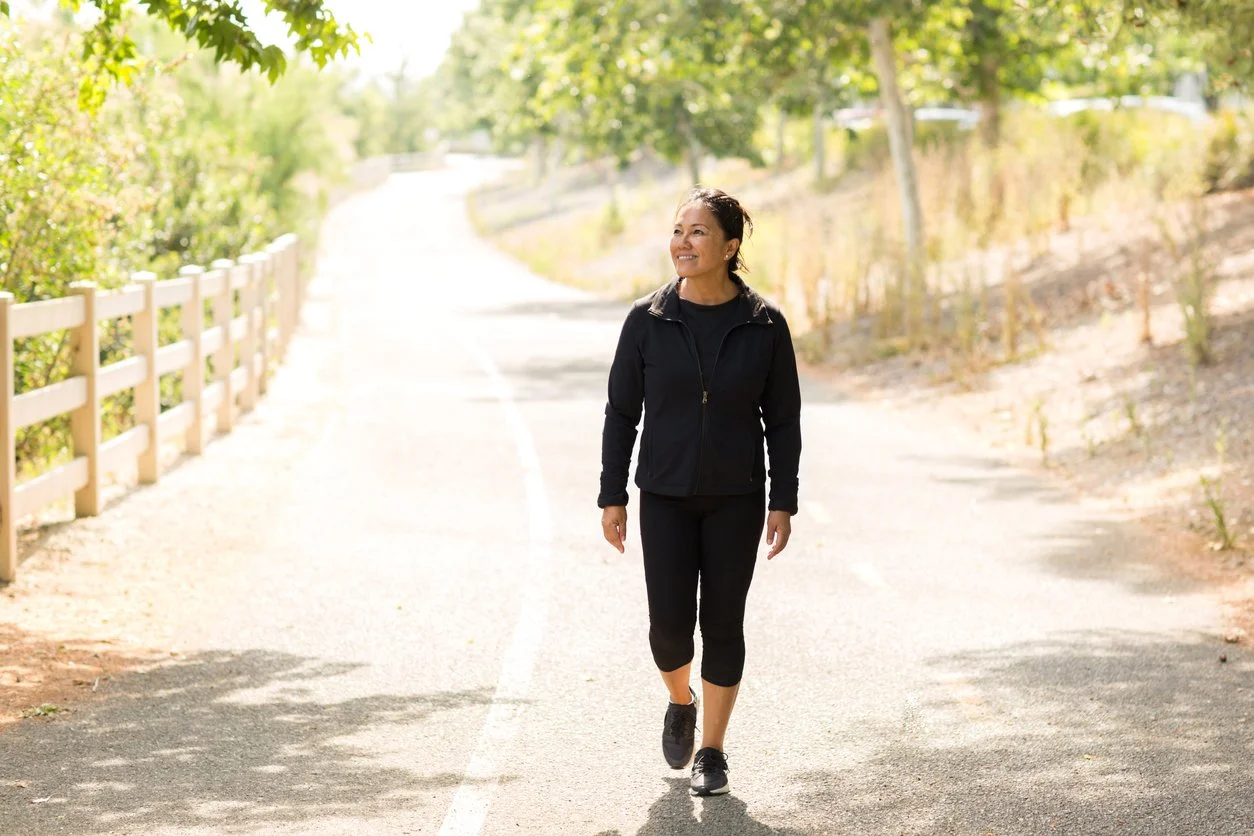
It can be five to ten minutes of yoga or mobility work. A walk around the block. A short bodyweight circuit done in your pajamas. Dancing in the kitchen while breakfast cooks. Research shows that short bouts of movement, even when accumulated throughout the day, still provide meaningful health benefits (Remie et al, 2021; Malkowska, 2024).
This perspective shift was hard for me - and it didn’t come from giving up on fitness. It came from living it long enough to know what actually works. I’ve spent over six years teaching yoga, sculpt, and strength training, and before kids, I was an avid runner who genuinely enjoyed longer workouts. Life looks different now. Most of my movement happens at home in short, efficient windows, with the occasional group fitness class when childcare lines up.
What I know, both personally and professionally, is that twenty minutes can be more than enough. Twenty minutes is always better than zero.
This is where I come back to a phrase I use with clients all the time: whatever you do is good. A ten-minute circuit counts. Three ten-minute walks spread across the day count. Something done consistently beats the perfect plan that never happens.
How to Actually Fit It In (Even If You’re Exhausted)
The biggest barrier to morning movement isn’t motivation. It’s friction. Movement works best when it’s attached to something you’re already doing.
Stretch while your coffee brews. Do a few squats while the kids eat breakfast. Walk the dog with intention instead of scrolling. Pairing movement with an existing routine reduces decision fatigue and makes follow-through more likely.
This is the same habit-stacking approach I talk about in my post on tiny habits, where small, realistic actions create momentum over time rather than relying on willpower.
Your environment matters, too. Keeping your yoga mat out, shoes by the door, or a chair nearby removes another layer of resistance. This idea fits naturally into a supportive morning routine that sets the tone for the rest of the day, rather than trying to squeeze movement in later when energy is already depleted. I have a related post about morning routines that you might find helpful.
After years of teaching movement and coaching busy women, I’ve seen this pattern again and again. When movement is simple, flexible, and planned for real life, it actually happens.
And to add a very personal note - I have 3 kids under 5, including a newborn. I’m exhausted - as are many of my clients. I’m not trying to sit on my high horse here with this recommendation of morning movement. It really DOES make a difference in your day: how you show up for yourself, your kids, your energy, your stress… Sleep is really important, so instead of sacrificing sleep and setting your alarm at 5am, find ways to stack gentle movement into whatever morning routine already exists.
Make It Hormone-Supportive, Not Stressful
More is not always better. During PMS, burnout, or high-stress seasons, low-impact movement like walking, stretching, or gentle yoga supports the nervous system without adding strain. This is especially important for women with thyroid concerns or a history of chronic dieting.
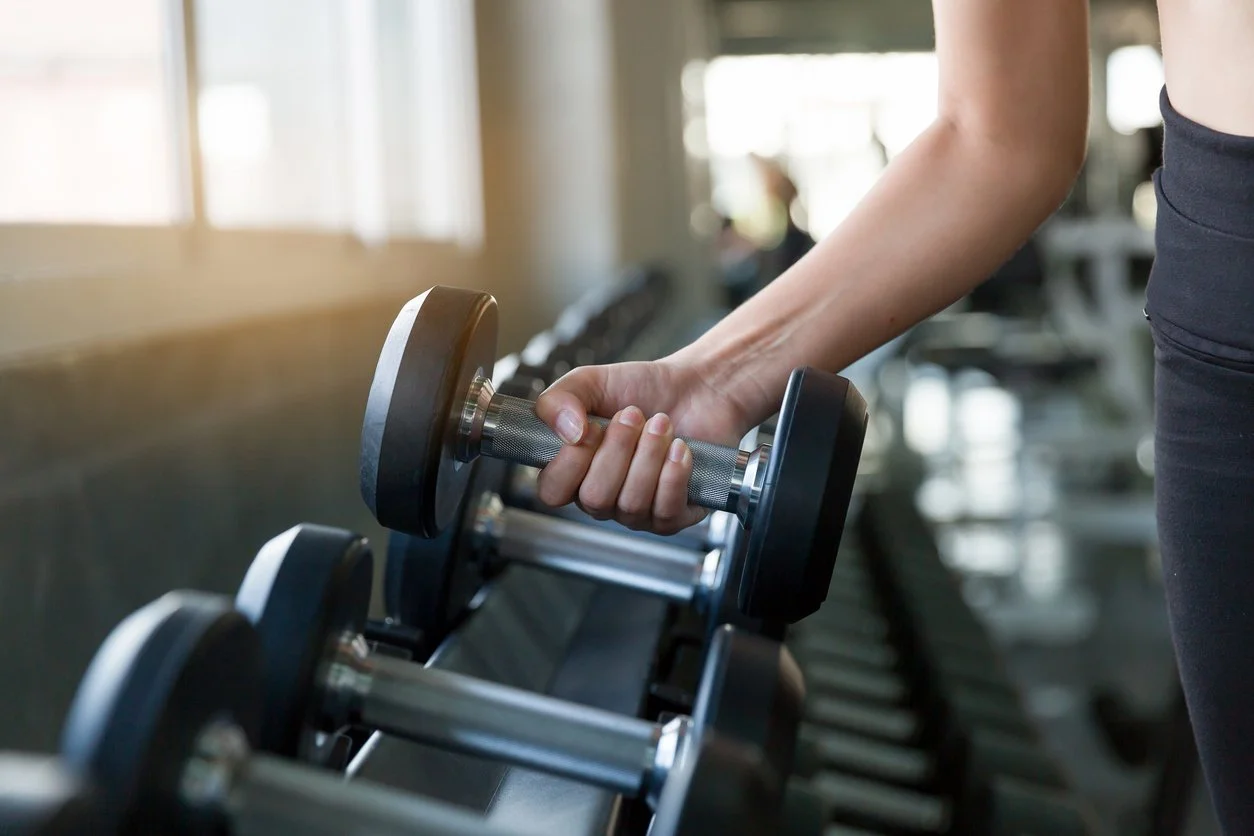
On days when energy is higher, often mid-cycle or early in the follicular phase, strength training or brisk walking can feel supportive and empowering. The goal isn’t to force intensity. It’s to match movement to what your body can handle in that season.
In my coaching, this falls under the Enhanced Lifestyle piece of the PEACE Method. This is where we focus on accountability, motivation, and realistic structure so movement supports your hormones and goals instead of becoming another thing you feel behind on.
Consistency matters more than intensity. Whatever you do is good. That’s how momentum builds.
Simple Morning Movement Routines to Try
Here are some of my favorite routines to start incorporating when a longer workout just doesn’t fit in (or if you’re easing back into movement):
A five-minute energy boost can include marching in place, side stretches, and light squats to wake up the lower body.
A bedside flow works well on low-energy mornings. Cat-cow, gentle spinal twists, forward folds, and a few slow breaths can be done before your feet even hit the floor.
A stroller walk paired with a podcast or music combines fresh air with mental recharge. It counts, even if it’s slow.
A short stair or chair circuit with step-ups, supported dips, pushups, or lunges can be done in under ten minutes. It’s not about doing everything. It’s about doing something.
Need more ideas or personalization? Apply for 1:1 coaching in the PEACE Method.
FAQs About Morning Movement
What if I already work out later in the day? Should I still move in the morning?
Yes. Morning movement doesn’t replace your workout. It supports your nervous system and metabolism so the rest of the day feels steadier.
Is fasted movement okay for women?
Gentle movement usually is. More intense fasted exercise can increase stress hormones for some women, especially if they’re under-fueled or already exhausted.
Can movement replace my morning coffee?
Sometimes it reduces the need for it. Many women find they tolerate coffee better after moving and eating first. Check out this related article on How to Fight Fatigue Without Caffeine.
What if I feel more tired after moving in the morning?
That’s a sign to scale back. Movement should leave you feeling clearer, not depleted.
Final Thoughts: Move First, Feel Better All Day
Morning movement isn’t about discipline or perfection. It’s about giving your body a signal that you’re awake, supported, and paying attention. Even small bursts of movement can improve energy, mood, and blood sugar regulation in ways that ripple through the rest of the day.
You don’t need the perfect workout plan. You need something you can return to on busy mornings, tired days, and imperfect weeks.
If you want support building movement into your life in a way that actually sticks, this is part of what we do in 1:1 coaching through the PEACE Method. We create structure, accountability, and flexibility so movement supports your goals instead of competing with your life.
Whatever you do is good. That’s where real progress starts.
References:
DISCLAIMER: The information contained in this post is not, and should not be construed as, medical advice. It is provided for informational purposes only. Each individual’s situation, nutritional needs, and medical situation are different, and the information contained in this post may not be appropriate for your personal situation. Always check with your own physician or medical professional before implementing any change to your lifestyle, food intake, exercise regimen, or medical treatment.
(C) 2026 Schuster Nutrition, PLLC

Article written by Melissa Schuster, MS, RDN, CDN, IFNCP
Melissa Schuster is a Registered Dietitian and mom of three. She helps busy moms transform their relationship with food through concierge virtual coaching so they can feel fantastic, lose weight for good, and focus on the things that matter most. With her signature PEACE Method which takes a whole-person approach, Melissa has helped hundreds of women find lasting peace in their bodies and around food. An expert in nutrition, Melissa holds a Masters in Clinical Nutrition and Dietetics from New York University and an Integrative and Functional Nutrition Certification.
The Newsletter
Want access to exclusive coaching offers, practical nutrition advice, and a healthy dose of mom-to-mom talk delivered straight to you? You’re in the right place!
