
A Healthy Morning Routine for Women to Fuel Energy, Hormones, and Digestion
Some mornings feel like a blur. You’re packing lunches, hunting for a missing shoe, checking your calendar, brewing coffee (that will eventually turn cold), and trying to convince yourself that today will be the day you finally eat something besides the random granola bar in your bag (or, frankly, eat anything at all). I get it. I’ve lived those mornings, too.
But I’ve also lived the other version. The mornings where my breakfast is nonnegotiable. When I’m at the stove scrambling eggs while my kids slice strawberries because helping in the kitchen is now their unofficial “morning job.” When I squeeze in a quick walk or a few sun salutations before diving into emails. Those are the days where everything feels more grounded, more steady, more doable.
And that’s really the heart of this: the way you start your morning sets the tone for your energy, your hunger cues, your stress levels, and even how bloated or sluggish you feel by mid-afternoon.
One of my clients, Rina, didn’t believe that shifting her mornings could matter so much. She was juggling early meetings and two school drop-offs, usually running out the door with only coffee. Her whole day felt uphill, and she came to me feeling burnt out, fatigued, and sick of feeling this way. After experimenting with a few small morning anchors, she finally felt something shift. She wasn’t white-knuckling through cravings all day. She wasn’t collapsing into dinner starving. She described her mornings as “manageable” for the first time in years.
This blog is about exactly that. Not a rigid, aesthetically pleasing routine. A real one. A supportive one. One that honors your hormones, your digestion, your energy, and your very real life.
If you want another take on building a supportive morning routine, you might also like this related article.

Why Your Morning Routine Matters More Than You Think
Your morning routine matters more than you think because your first decisions in the morning directly shape blood sugar stability, cortisol rhythm, hunger signals, digestion, and mood for the entire day.
Even on the most "typical" day, a woman's body is naturally more insulin sensitive and cortisol dominant in the morning. That means the way you eat, move, and hydrate early sets the tone for everything that follows. When morning choices are chaotic, energy often crashes by early afternoon, cravings spike in the evening, and digestion feels off.
Research confirms that circadian rhythm, glucose tolerance, and hormonal patterns follow predictable daily cycles in women. These cycles directly influence appetite, metabolism, and stress response (Augustsson et al., 2025; Rahman et al., 2019; Draper et al., 2018; Benickova et al., 2024). Understanding them turns your morning routine into one of the simplest tools you have for working with your body.
Then there's cortisol.
Morning cortisol naturally rises to wake you up, and it's supposed to peak gently, not skyrocket. When you grab caffeine before food, start answering emails before your feet hit the floor, or rush straight into stress, cortisol spikes higher and stays elevated longer. That affects hunger, fat storage, digestion, and mental clarity (Hoyt et al., 2017; Cleveland Clinic Cortisol; Paragliola et al., 2025).
| Chaotic Morning | Calm, Grounded Morning |
|---|---|
| Caffeine before food → cortisol spike | Water and protein first → steady cortisol curve |
| Rushing straight into email or stress | A few quiet minutes or breathwork before the day begins |
| Energy crashes by early afternoon | Steady energy from morning through afternoon |
| Cravings spike in the evening | Balanced hunger signals throughout the day |
| Digestion feels off | Digestion runs more smoothly |
A client story: My client Leah was waking up exhausted, eating at random times during the night, and depending on caffeine to function. She was frustrated because she was "doing everything right" but couldn't lose weight. Once she implemented a calmer morning flow with a protein-and-fiber-rich breakfast, reduced her early caffeine intake, and added a few minutes of breathing exercises, her sleep improved and the night eating stopped. She said it felt like her body was finally exhaling.
Should You Start Your Day with Movement or Screens?
Start your day with movement instead of screens because even a few minutes of gentle movement before touching your phone helps keep cortisol steady and sets a calmer tone for the entire day.
I'm guilty of this too, grabbing my phone right when I wake up, checking emails, Instagram, and the news before finally getting myself out of bed. But starting the day with screens sends your cortisol soaring before you've even brushed your teeth. A gentler wake-up doesn't need to be dramatic. A 5-minute walk outside, a quick stretching sequence, or a few sun salutations while your coffee brews can start your day off right.
This YouTube morning yoga session is one of my favorites for clients because it's accessible even on busy mornings.
Movement increases blood flow, signals to your gut that it's time to "turn on," and helps regulate mood. My client Mara started doing just five minutes of mobility work before her son woke up. She said that tiny window of quiet movement changed the tone of her whole day. It grounded her, made her breakfast choices easier, and reduced the nighttime cravings she used to battle.
If you want something even simpler, try a few minutes of breathwork or mobility before checking your phone. Your whole nervous system will respond differently.
Why Should You Drink Water Before Coffee?
Drink water before coffee because overnight your body loses hydration through breathing and sweating, and water (not caffeine) is what it actually needs first.
Start with a full glass of water before reaching for caffeine. If you tend to wake up thirsty, add electrolytes or a pinch of mineral salt. LMNT and Nuun are great options, especially for clients who sweat a lot or start their day with workouts.
I know how beautiful (and delicious) that first sip of coffee can be. But drinking coffee on an empty stomach can increase cortisol and disrupt digestion for some women, particularly those already under a high stress load. Early caffeine also stimulates gastric acid without the buffer of food, which can contribute to that jittery, hollow feeling (Lovallo et al., 2008; Cleveland Clinic, 2023; Papakonstantinou et al., 2016).
I usually tell clients: hydration first, breakfast second, coffee third.
Why Should You Eat Before Drinking Coffee?
Eating before coffee helps because food acts as a buffer that lets caffeine hit your system more gradually, supporting steady blood sugar, reducing anxiety and GI upset, and keeping your cortisol curve from spiking dramatically.
I sound like a broken record on food and water before coffee, but it makes a real difference. When you eat first, caffeine hits your system more gently, which supports steady blood sugar and reduces jitters or stomach upset.
This doesn't have to be a full breakfast. Even something quick helps:
Two boiled eggs and fruit
A protein smoothie
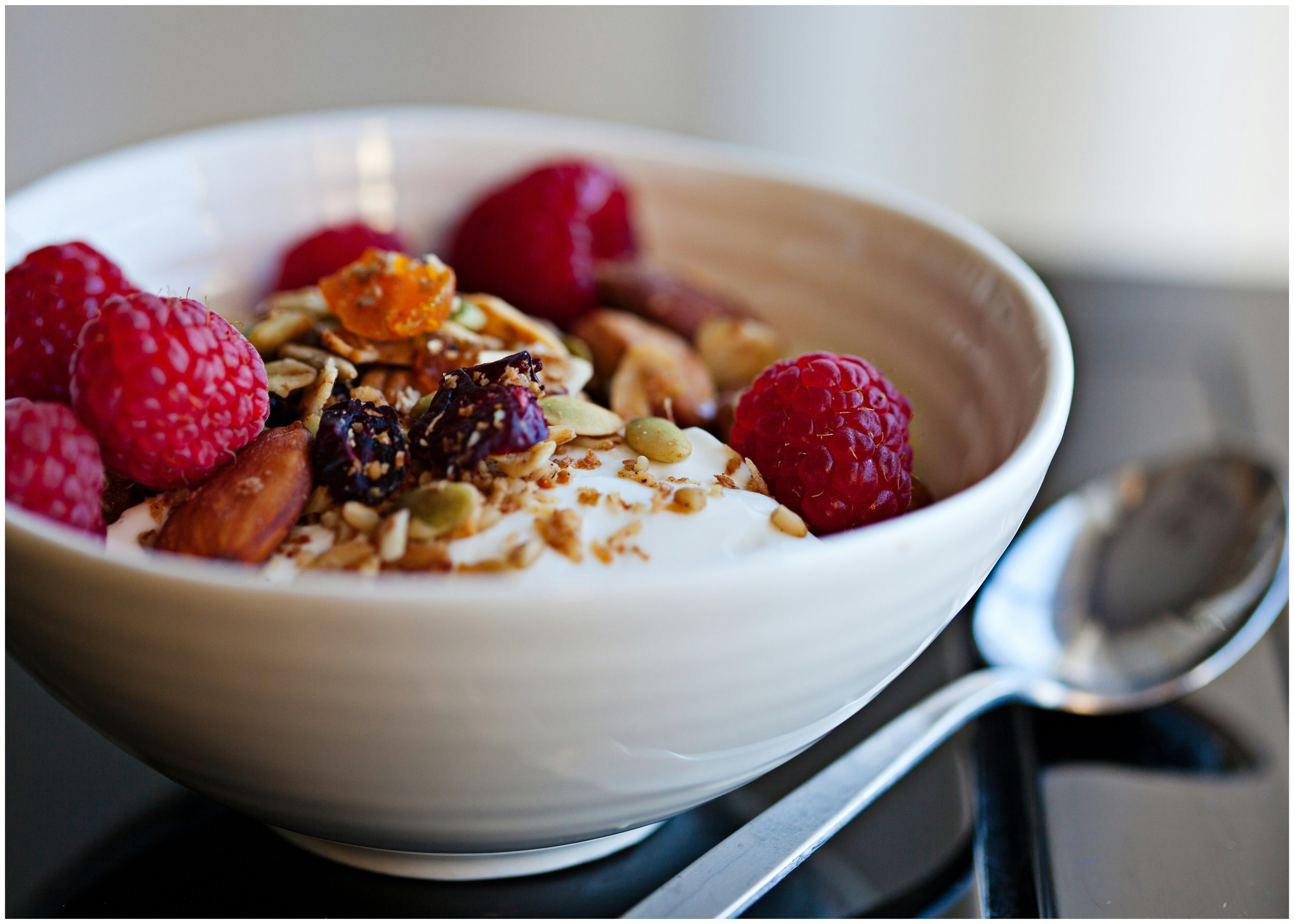
Greek yogurt with ground flaxseed
If you need a library of easy breakfast ideas, download my free Breakfast Guide. It's packed with 20-30g protein options that are ready in under 10 minutes.
And if you want more specific inspiration, this blog post walks through my favorite high protein breakfasts for women.
How Much Protein Do You Need at Breakfast?
Aim for 20-30 grams of protein at your first meal of the day to stay fuller longer, build lean muscle, regulate hunger hormones more smoothly, and reduce cravings later in the day.
When I start working with clients, one of the first things we look at is breakfast. Many are unintentionally under-eating protein in the morning, which is a big driver of their low energy, cravings, and difficulty losing weight.
Mara told me that before she joined my program, she'd have a small pastry or skip breakfast entirely. By 3pm she was drained, and by 9pm she was elbow-deep in Oreos. Once we built a simple morning system with breakfast plus light movement, her cravings disappeared almost immediately.
High-protein breakfast ideas my clients love:
Cottage cheese bowls with berries and nuts
Chia seed pudding fortified with protein powder
Turkey sausage or eggs with avocado toast
Egg muffins prepped ahead for the week, with a side of fruit
My Breakfast Guide walks you through building balanced plates without overthinking it.
Why Is Fiber So Important for Gut Health and Hormones?
Fiber is essential for gut health and hormones because it slows digestion, supports estrogen metabolism, and helps maintain stable blood sugar throughout the morning.
When your breakfast includes fiber plus protein, you're fuller longer and much less likely to hit the mid-afternoon "snack tornado."
Great fiber sources to add to breakfast:
Berries (frozen counts!)
Oats
Ground flaxseed or chia seed
A handful of greens blended into smoothies
A slice of whole wheat or sprouted toast with avocado
Aim for 25-30 grams of fiber per day, which is much easier to hit when the morning starts strong.

Why Does a Moment of Mindfulness Matter in the Morning?
A moment of mindfulness matters in the morning because even a single slow breath signals to your nervous system that you're safe, which supports digestion, hormone balance, and a steadier start to your day.
Healthy morning routines go beyond movement, nutrition, and hydration. Your mindset matters too, probably more than you realize. And the good news is you don't need a 20-minute meditation to feel the benefits.
Simple ways to add mindfulness to your morning:
A few deep breaths while standing at the sink
A short guided meditation (I love the 5-minute meditations on the Peloton app, or try this 6-minute meditation from Insight Timer)
Writing down one thing you're grateful for (a simple journal and pen next to your bedside is perfect for this)
This gentle breathing technique that many clients find grounding
Stress management is not separate from nutrition. When your nervous system is calm, digestion improves and hormones fall into a steadier rhythm.
Remember: your morning routine doesn't need to look like mine or anyone else's. It should reflect your life, your responsibilities, and your capacity in this season.
FAQs About Morning Nutrition and Routine
|
What if I'm not hungry in the morning? Try a small breakfast anyway with protein and fiber, then explore why you might not be hungry. Are you eating late at night? Having coffee before food? Waking up stressed? These patterns often suppress morning appetite. |
|
Can I work out fasted if I eat afterward? You can, but many women feel better with something small before movement, like half a banana. It jumpstarts energy and prevents that drained feeling mid-workout. This is often nuanced, and we can create a personalized plan together in 1:1 coaching. |
|
Is a light breakfast or a heavier breakfast better? It depends, but I see the best outcomes with a substantial breakfast that includes 20-30 grams of protein plus fiber. Clients report more energy, fewer cravings, and better weight loss results. Light breakfasts often lead to energy crashes and overeating later. |
If you’re exploring whether a morning routine could help with weight loss or you’re not sure where to begin, you can apply for 1:1 nutrition coaching here. Together we’ll build a routine that fits your real life and supports your long term goals.
Final Thoughts: Build a Morning That Nourishes You
Small, consistent morning habits are what actually change your health, not immediately, not perfectly, but steadily. I've coached hundreds of women through this process and the pattern is always the same.
Start with one or two shifts:
Add water first thing
Eat something before coffee
Walk for five minutes
Choose the piece that feels most supportive right now.
If you want help creating a morning routine that reduces cravings, supports hormones, and aligns with your weight loss goals, apply for nutrition coaching. This is exactly the kind of transformation we create inside the PEACE Method.
References:
DISCLAIMER: The information contained in this post is not, and should not be construed as, medical advice. It is provided for informational purposes only. Each individual’s situation, nutritional needs, and medical situation are different, and the information contained in this post may not be appropriate for your personal situation. Always check with your own physician or medical professional before implementing any change to your lifestyle, food intake, exercise regimen, or medical treatment.
(C) 2026 Schuster Nutrition, PLLC

Article written by Melissa Schuster, MS, RDN, CDN, IFNCP
Melissa Schuster is a Registered Dietitian and mom of three. She helps busy moms transform their relationship with food through concierge virtual coaching so they can feel fantastic, lose weight for good, and focus on the things that matter most. With her signature PEACE Method which takes a whole-person approach, Melissa has helped hundreds of women find lasting peace in their bodies and around food. An expert in nutrition, Melissa holds a Masters in Clinical Nutrition and Dietetics from New York University and an Integrative and Functional Nutrition Certification.
The Newsletter
Want access to exclusive coaching offers, practical nutrition advice, and a healthy dose of mom-to-mom talk delivered straight to you? You’re in the right place!
